Choosing the right preschool is one of the most important decisions parents make during their child’s early years. A good preschool is not simply a place where children spend a few hours away from home. It is an environment where they learn, explore, make friends, develop confidence, and gradually become more independent.
For parents looking for a Top Preschool in Panchkula, the focus should go beyond infrastructure, classrooms, or proximity to home. A truly child-friendly preschool understands that every child learns differently and creates an environment where children feel safe, valued, encouraged, and excited to learn.
But what exactly makes a preschool child-friendly? Let’s explore the key factors parents should consider when selecting a Preschool in Panchkula.
What Does a Child-Friendly Preschool Mean?
A child-friendly preschool is designed around the needs, interests, safety, and development of young children. Instead of putting pressure on children to learn through rigid methods, it encourages them to discover concepts through play, activities, stories, conversations, creativity, and hands-on experiences.
At this age, children are naturally curious. They want to ask questions, touch things, experiment, move around, and understand the world around them. A good preschool uses this curiosity as a foundation for learning.
A child-friendly environment should make children feel:
- Safe and comfortable
- Welcome and respected
- Free to ask questions
- Encouraged to participate
- Comfortable interacting with others
- Excited about coming to school
- Supported when they make mistakes
These qualities are especially important when choosing a Top Play School in Panchkula for your child.
1. A Safe and Secure Learning Environment
Safety should always be one of the first considerations when selecting a preschool.
Young children require an environment where they can explore without unnecessary risks. Parents should look for clean and well-maintained classrooms, child-friendly furniture, safe play areas, secure entry and exit procedures, and appropriate supervision.
A child-friendly preschool should also maintain good hygiene standards. Clean classrooms, washrooms, toys, activity areas, and drinking facilities contribute to a healthier learning environment.
When children feel physically and emotionally secure, they are more likely to participate actively in classroom activities.
2. Learning Through Play
Children learn naturally through play. Play helps them develop communication, creativity, problem-solving abilities, coordination, and social skills.
This is why play-based learning is an important feature of a quality preschool.
Instead of expecting young children to sit for long periods and memorize information, a good Playway School in Panchkula can introduce concepts through:
- Building blocks
- Puzzles
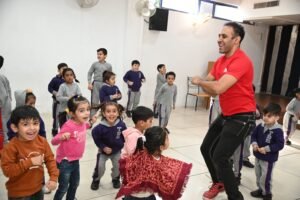
- Music and movement
- Storytelling
- Role play
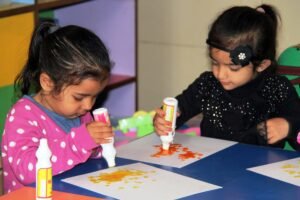
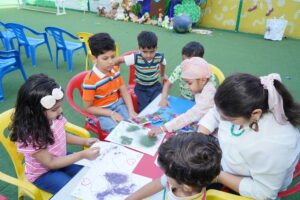
- Drawing and colouring
- Sand and water activities
- Outdoor games
- Interactive learning activities
For example, children can learn basic counting through toys, colours through art activities, and communication skills through group storytelling.
The goal is to make learning enjoyable and meaningful.
3. Caring and Supportive Teachers
Teachers play a major role in shaping a child’s preschool experience.
Young children may take time to become comfortable in a new environment. Some children are naturally outgoing, while others may initially be shy or hesitant. A caring teacher understands these differences instead of expecting every child to behave in the same way.
Teachers at a child-friendly preschool should be patient, approachable, encouraging, and attentive to children’s individual needs.
They should encourage children to express themselves, ask questions, share their ideas, and participate in activities without fear of making mistakes.
The relationship between teachers and children can have a significant impact on a child’s confidence and attitude toward learning.
4. Individual Attention to Every Child
Every child develops at their own pace.
Some children may quickly recognize letters and numbers, while others may need more time. One child may enjoy drawing, another may prefer physical activities, and another may love listening to stories.
A Top Preschool in Panchkula should recognize these differences and provide opportunities for children to learn according to their interests and developmental stage.
Individual attention can help teachers understand a child’s strengths, areas for improvement, interests, and learning preferences.
This also allows parents and teachers to work together more effectively.
5. A Balance Between Learning and Fun
Preschool should not feel like a miniature version of primary school.
Young children need a healthy balance between structured learning and free exploration. Too much academic pressure can make learning stressful, while a completely unstructured environment may not provide enough developmental stimulation.
The Best Play School in Panchkula should ideally combine educational activities with games, creative experiences, physical movement, music, stories, and social interaction.
This approach allows children to learn important concepts while still enjoying their early school experience.
6. Opportunities for Social Development
Preschool is often one of the first places where children regularly interact with peers outside their immediate family.
This makes social development an important part of early education.
Group activities can help children learn how to:
- Share toys and resources
- Take turns
- Listen to others
- Express their feelings
- Cooperate with classmates
- Make friends
- Resolve simple disagreements
- Respect different opinions
These skills may seem simple, but they form the foundation for healthy relationships later in life.
7. Encouragement for Creativity
Children have naturally active imaginations. A child-friendly preschool should provide opportunities for them to express their creativity rather than always expecting one correct answer.
Creative activities may include:
- Painting
- Drawing
- Craftwork
- Music
- Dance
- Drama
- Story creation
- Clay activities
- Pretend play
Such activities can encourage children to think creatively and express themselves confidently.
A preschool that gives children space to explore their imagination can make learning more engaging.
8. Age-Appropriate Activities
Activities should match the age and developmental stage of children.
What works for a two-year-old may not be suitable for a four-year-old. A good preschool carefully plans activities according to children’s abilities and gradually introduces more complex concepts.
For younger children, activities may focus more on sensory exploration, movement, language development, and simple social interactions.
As children grow, activities can gradually introduce early literacy, numeracy, problem-solving, and greater independence.
This developmental approach helps children progress without feeling overwhelmed.
9. A Child-Friendly Physical Environment
The physical environment can influence how children feel and behave.
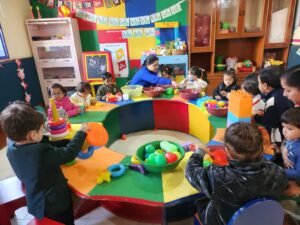
Bright, welcoming classrooms, accessible learning materials, comfortable furniture, age-appropriate toys, creative displays, and dedicated activity areas can make a preschool more engaging.
A good environment should encourage children to explore independently while maintaining appropriate supervision.
Outdoor play areas are also valuable because physical activity supports coordination, balance, motor skills, and overall development.
When visiting Kindergarten Schools in Panchkula, parents should observe whether the environment appears welcoming and appropriate for young children.
10. Emotional Support and Positive Encouragement
Early childhood is a period of significant emotional development.
Children need adults who listen to them and help them understand their feelings. A child-friendly preschool should create an environment where children are not unnecessarily criticized or compared with one another.
Positive encouragement can help children develop confidence.
Instead of focusing only on whether a child gets an answer right, teachers can recognize effort, curiosity, participation, creativity, and improvement.
This helps children develop a positive attitude toward learning.
11. Strong Communication With Parents
Parents should not feel disconnected from their child’s preschool experience.
A quality Preschool in Panchkula should maintain open communication with parents about classroom activities, children’s progress, events, developmental milestones, and areas where additional support may be helpful.
Regular communication allows parents to understand what their child is learning and continue appropriate activities at home.
A strong partnership between teachers and parents creates a more consistent and supportive environment for the child.
12. Focus on Overall Development
Preschool education should not be limited to alphabets and numbers.
Early childhood development includes multiple areas, including:
- Language and communication
- Cognitive development
- Physical development
- Social skills
- Emotional development
- Creativity
- Problem-solving
- Independence
The Best Kindergarten in Panchkula should aim to support these areas together rather than focusing exclusively on academic performance.
The objective is to prepare children with the foundational skills and confidence they need for the next stage of education.
How Parents Can Identify a Child-Friendly Preschool
Before selecting a preschool, parents should consider visiting the campus and observing the environment.
Here are some useful questions to ask:
- Are the classrooms safe and child-friendly?
- How are teachers interacting with children?
- Are children encouraged to ask questions?
- Does the school use play-based activities?
- Are there opportunities for outdoor play?
- How does the school support individual learning needs?
- What safety and hygiene practices are followed?
- How does the school communicate with parents?
- Are activities suitable for the children’s age group?
- Does the overall environment feel welcoming and positive?
A school visit can often tell parents much more than a brochure or website.
Why the Right Preschool Matters
The preschool years provide the foundation for many important habits and skills. Children begin developing their attitudes toward learning, communication, friendships, independence, and problem-solving during this period.
A positive preschool experience can help children become more confident and comfortable in educational environments.
That is why parents searching for a Top Preschool in Panchkula should look beyond academic claims and consider the complete learning experience.
The best preschool is not necessarily the one with the most impressive facilities. It is the one that understands children, supports their curiosity, provides a safe environment, and makes learning enjoyable.
Choose a Preschool Where Children Can Learn, Play and Grow
Finding the right Preschool in Panchkula requires careful consideration. Parents should look for an environment where learning and play go hand in hand, teachers are supportive, activities are age-appropriate, and children receive opportunities to develop socially, emotionally, physically, and intellectually.
Whether you are comparing a Top Play School in Panchkula, a Playway School in Panchkula, or Kindergarten Schools in Panchkula, always keep your child’s comfort, safety, happiness, and overall development at the centre of the decision.
A truly child-friendly preschool gives children more than early academic knowledge. It gives them the confidence to explore, the freedom to ask questions, the opportunity to make friends, and the foundation to become enthusiastic lifelong learners.