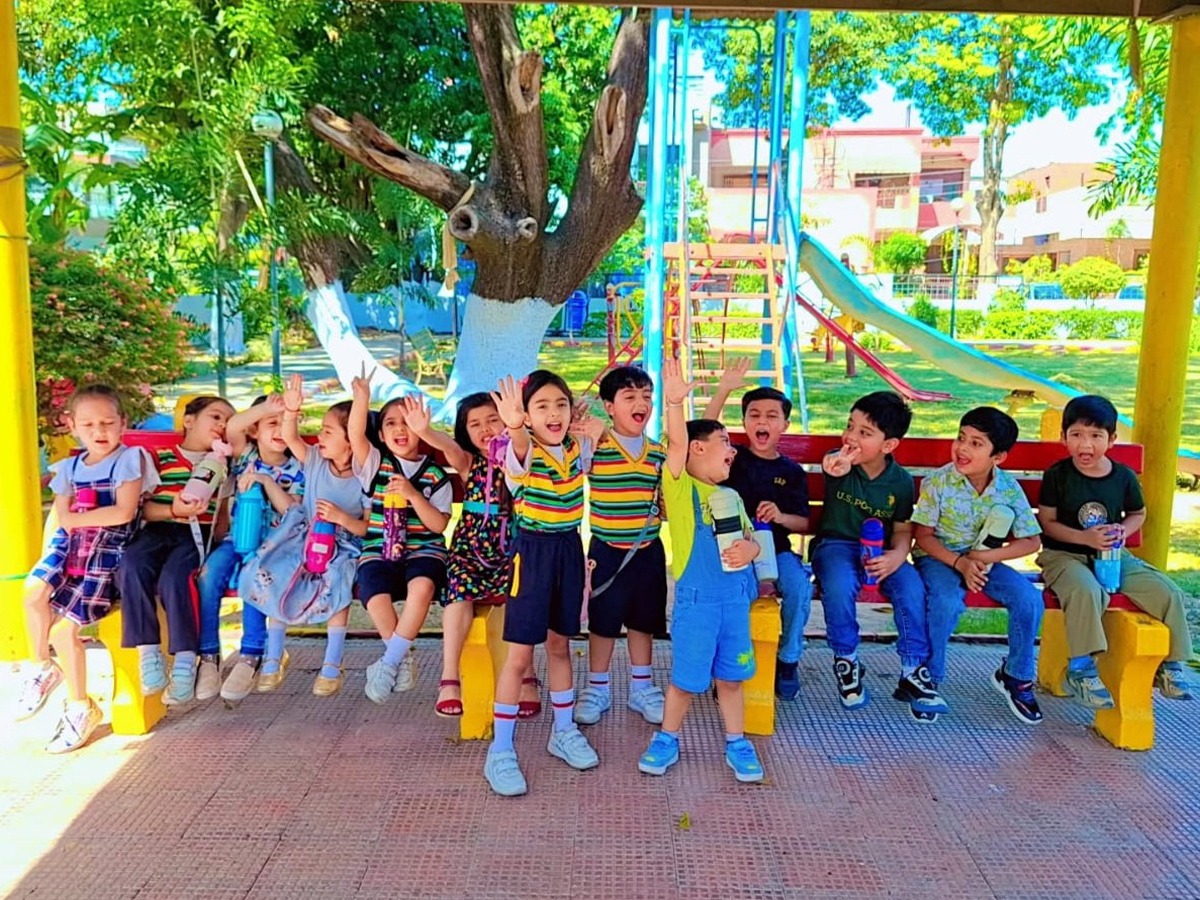
Early childhood is an important stage when children begin to understand their emotions, communicate their thoughts, and build relationships with others. However, young children do not always know how to express what they feel. Sometimes they show happiness through laughter, sadness through crying, or frustration through their behaviour.
This is where preschool plays an important role. A positive preschool environment gives children opportunities to recognise their emotions, express themselves, and understand the feelings of others.
Through everyday classroom activities, storytelling, playtime, and interactions with teachers and friends, children gradually learn how to communicate their feelings in healthy ways. Let’s understand how preschool supports emotional development in young children.
Why Is It Important for Children to Express Their Feelings?
Every child experiences different emotions while growing up. Learning to express these emotions helps children communicate their needs, build friendships, and develop confidence.
When children can express how they feel, they are more likely to:
- Communicate their thoughts and needs clearly.
- Develop healthy relationships with friends and teachers.
- Understand and respect other people’s feelings.
- Handle disappointment and frustration.
- Build confidence in social situations.
- Develop emotional awareness and self-control.
Teaching children about emotions from an early age helps them feel understood, supported, and comfortable in their surroundings.
7 Ways Preschool Encourages Children to Express Their Feelings
1. Creating a Safe and Comfortable Environment
Children need to feel safe before they can openly express themselves. A welcoming preschool environment helps them become comfortable with teachers, classmates, and new experiences.
When teachers listen patiently and respond positively, children feel encouraged to share their thoughts without worrying about being judged.
This sense of comfort helps children become more confident in expressing their emotions.
2. Encouraging Communication Through Daily Activities
Everyday classroom activities provide opportunities for children to talk about their experiences and feelings.
Teachers may ask simple questions such as:
- How are you feeling today?
- What made you happy?
- Did you enjoy playing with your friends?
- What would you like to do today?
These small conversations encourage children to use words to express their emotions instead of communicating only through actions.
3. Using Storytelling to Teach About Emotions
Storytelling is an effective way to introduce children to different emotions. Stories featuring relatable characters help children understand feelings such as happiness, sadness, fear, excitement, and anger.
Teachers can ask children how a character might be feeling and what they could do in that situation.
This makes it easier for young learners to recognise emotions and understand how their actions affect others.
4. Promoting Emotional Expression Through Art and Drawing
Not every child feels comfortable expressing emotions through words. Creative activities give them another way to communicate.
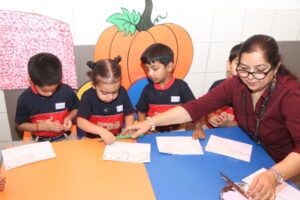
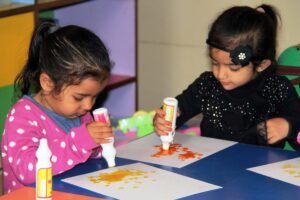
Drawing, colouring, painting, and craft activities allow children to express their thoughts and feelings through creativity.
For example, teachers may encourage children to draw something that makes them happy or use colours to represent different moods.
These activities support creativity while helping children explore their emotions.
5. Teaching Sharing and Empathy Through Group Activities
Playing with other children teaches important social and emotional skills. During group activities, children learn to share toys, wait for their turns, cooperate, and understand different perspectives.
They also begin to recognise when a friend is feeling sad or needs help.
With gentle guidance from teachers, children gradually develop empathy, kindness, and respect for others.
6. Helping Children Manage Difficult Emotions
Young children may sometimes feel angry, frustrated, disappointed, or upset. They need time and guidance to understand these emotions.
Preschool teachers can help by listening to children, acknowledging their feelings, and introducing simple calming techniques.
These may include taking deep breaths, counting slowly, spending a little quiet time, or talking about what happened.
Children gradually learn that every emotion is normal and that there are positive ways to respond to difficult situations.
7. Building Confidence Through Positive Encouragement
Positive encouragement helps children feel comfortable sharing their thoughts and opinions.
When teachers appreciate a child’s efforts, listen carefully, and encourage participation, children begin to trust their abilities.
Whether a child answers a question, shares a story, or talks about something that upset them, supportive responses help build confidence and emotional security.
How Parents Can Support Emotional Development at Home
Emotional learning does not stop when children leave preschool. Parents can also help children understand and express their feelings through simple everyday habits.
Here are a few helpful practices:
- Talk About Feelings: Ask children how their day went and what made them happy or upset.
- Listen Patiently: Give children enough time to explain what they are thinking or feeling.
- Read Stories Together: Choose stories that introduce different emotions and situations.
- Be a Positive Example: Show children how to express emotions calmly and respectfully.
- Appreciate Their Efforts: Encourage children whenever they communicate their feelings.
- Avoid Ignoring Emotions: Help children understand that it is okay to feel sad, angry, or disappointed.
When parents and teachers work together, children receive consistent support in developing emotional awareness.
Give Your Child a Supportive Learning Environment at Tinkerbelle
A child’s preschool experience is about much more than learning letters, numbers, and shapes. It is also about developing confidence, making friends, communicating thoughts, and understanding emotions.
At Tinkerbelle, the focus is on providing enjoyable early learning experiences where children get opportunities to explore, interact, participate, and develop important life skills.
A supportive learning environment helps little learners feel comfortable expressing themselves while discovering new things every day.
If you are looking for a nurturing Preschool in Panchkula, explore Tinkerbelle and give your child an opportunity to begin their educational journey in a positive and encouraging environment.
Frequently Asked Questions (FAQs)
1. What are the easiest science experiments for preschool kids?
Some easy science experiments include sink or float activities, rainbow walking water, colour mixing, ice melting, and growing beans in cotton. These experiments use simple materials and introduce basic scientific concepts.
2. At what age can children start learning science through experiments?
Children can start exploring basic science concepts from around 2 years of age through supervised, age-appropriate activities. Simple sensory experiments can help toddlers observe changes, while older preschoolers can participate in more structured activities.
3. How do science experiments help preschoolers learn?
Science experiments improve observation, curiosity, creativity, and problem-solving skills. They also help children understand basic concepts through practical experiences rather than only learning through explanations.
4. Can parents conduct science experiments at home?
Yes, parents can easily organise simple science experiments using everyday household materials such as water, paper towels, balloons, ice cubes, and food colouring. Adult supervision is important to ensure children’s safety.
5. Why is hands-on learning important in preschool education?
Hands-on learning allows children to understand concepts through direct experiences. It encourages active participation, improves memory, develops confidence, and makes learning more enjoyable for young children.