Learning the alphabet is one of the first and most important milestones in a child’s educational journey. Before children begin reading and writing, they need to recognize letters, understand their sounds, and identify them in everyday life. The good news is that alphabet learning doesn’t have to be limited to books and worksheets—it can be fun, interactive, and full of exciting discoveries.
At Tinkerbelle Preschool, we believe that children learn best through play, exploration, and hands-on experiences. Engaging alphabet recognition activities help build confidence while developing essential pre-reading skills that prepare children for future academic success.
What is Alphabet Recognition?
Alphabet recognition is a child’s ability to identify and name uppercase and lowercase letters. It also includes recognizing letters in books, signs, toys, and everyday surroundings.
Strong alphabet recognition skills help children:
- Build a strong foundation for reading.
- Improve vocabulary and communication.
- Develop early writing skills.
- Strengthen memory and concentration.
- Prepare for phonics and spelling.
Why is Alphabet Recognition Important?
Children who recognize letters early often develop reading skills more confidently. Letter recognition allows children to connect letters with sounds, making it easier to decode words as they begin reading.
Some major benefits include:
- Better language development
- Improved listening skills
- Stronger memory and visual recognition
- Increased confidence in classroom learning
- Easier transition to formal schooling
15 Fun Alphabet Recognition Activities for Kids
1. Alphabet Treasure Hunt
Hide alphabet cards around the room or garden and encourage children to find each letter. As they discover a letter, ask them to name it and say a word that begins with that letter.
2. Alphabet Matching Game
Create two sets of alphabet cards. Children match identical letters together while practicing letter names and recognition.
3. Alphabet Puzzle Time
Alphabet puzzles help children identify letter shapes while improving problem-solving and fine motor skills.
4. Sensory Letter Tracing
Write letters in sand, flour, rice, or shaving foam. Children trace each letter using their fingers, making learning a hands-on experience.
5. Letter Bingo
Prepare simple bingo cards with different letters. Call out a letter, and children mark it if they find it on their card.
6. Alphabet Hopscotch
Draw letters on the ground using chalk. Call out a letter, and children jump to the correct one while having fun outdoors.
7. Letter Sorting Activity
Mix uppercase and lowercase letters together and let children match each uppercase letter with its lowercase partner.
8. Read Alphabet Storybooks
Books filled with colorful pictures and repetitive letter sounds help children naturally recognize letters while enjoying stories.
9. Sing Alphabet Songs
Music makes learning memorable. Singing the alphabet song every day helps children remember the correct letter sequence.
10. Alphabet Craft Activities
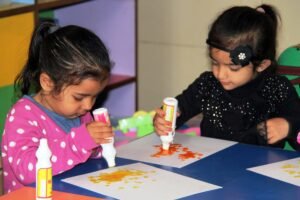
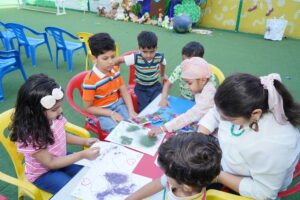
Create letters using clay, paper, buttons, leaves, or colored sticks. Craft activities improve creativity while reinforcing letter recognition.
11. Magnetic Letter Games
Use magnetic letters on the refrigerator or a magnetic board to spell simple words and identify letters.
12. Letter of the Day
Choose one letter every day. Find objects, pictures, and words beginning with that letter throughout the day.
13. Alphabet Flashcards
Flashcards remain one of the easiest ways to improve quick letter recognition. Keep sessions short and enjoyable.
14. Nature Alphabet Walk
During a walk, ask children to find objects beginning with specific letters. For example:
- A – Ant
- B – Bird
- F – Flower
- T – Tree
This activity connects learning with the real world.
15. Alphabet Art Wall
Create an alphabet wall at home where children display drawings or crafts related to each letter. This encourages daily revision in a fun way.
Tips for Parents
Learning should always be enjoyable. Here are a few simple tips:
- Practice for 10–15 minutes daily.
- Celebrate every small achievement.
- Avoid forcing children to memorize letters.
- Use games instead of repetitive drills.
- Read picture books together every day.
- Encourage children to ask questions.
- Repeat activities regularly to build confidence.
Common Mistakes to Avoid
Many parents unintentionally make alphabet learning stressful. Try to avoid:
- Teaching too many letters at once.
- Comparing your child with others.
- Long learning sessions.
- Using only worksheets.
- Correcting every small mistake immediately.
Instead, create a positive environment where children enjoy exploring new letters.
How Tinkerbelle Preschool Makes Alphabet Learning Fun
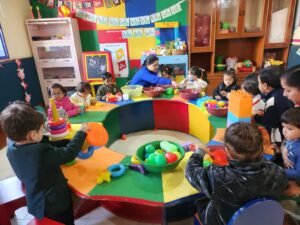
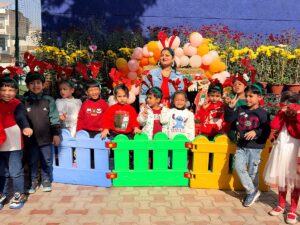
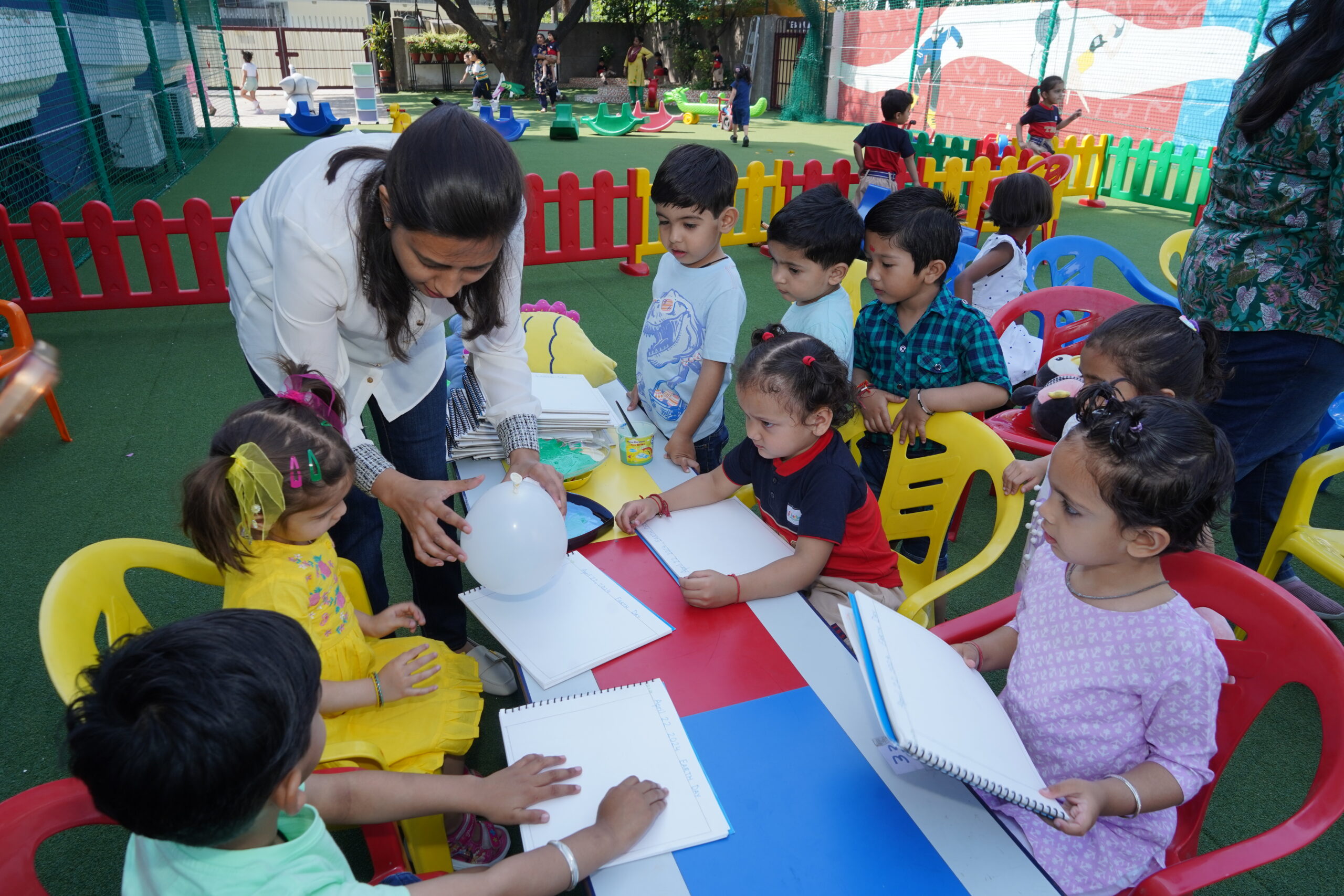
At Tinkerbelle Preschool, alphabet learning is integrated into everyday play. Our classrooms are filled with engaging activities, storytelling sessions, music, puzzles, art projects, and interactive games that help children recognize letters naturally.
Our experienced educators focus on:
- Play-based learning
- Interactive phonics sessions
- Storytelling and picture reading
- Creative art and craft
- Sensory learning experiences
- Individual attention for every child
This balanced approach helps children build strong literacy skills while enjoying every step of the learning process.
Conclusion
Alphabet recognition is much more than memorizing the ABCs—it’s the first step toward becoming a confident reader and writer. By incorporating fun games, songs, crafts, and everyday learning opportunities, parents can make alphabet learning an exciting adventure.
At Tinkerbelle Preschool, we nurture curiosity and creativity through engaging, play-based education that helps every child build a strong academic foundation. With the right activities and encouragement, learning the alphabet becomes a joyful experience that children will remember for years to come.