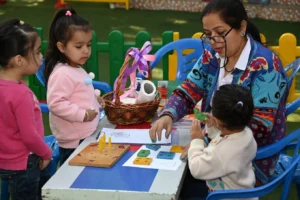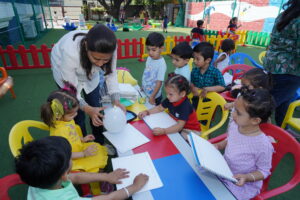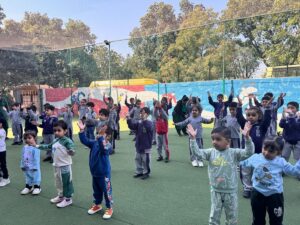
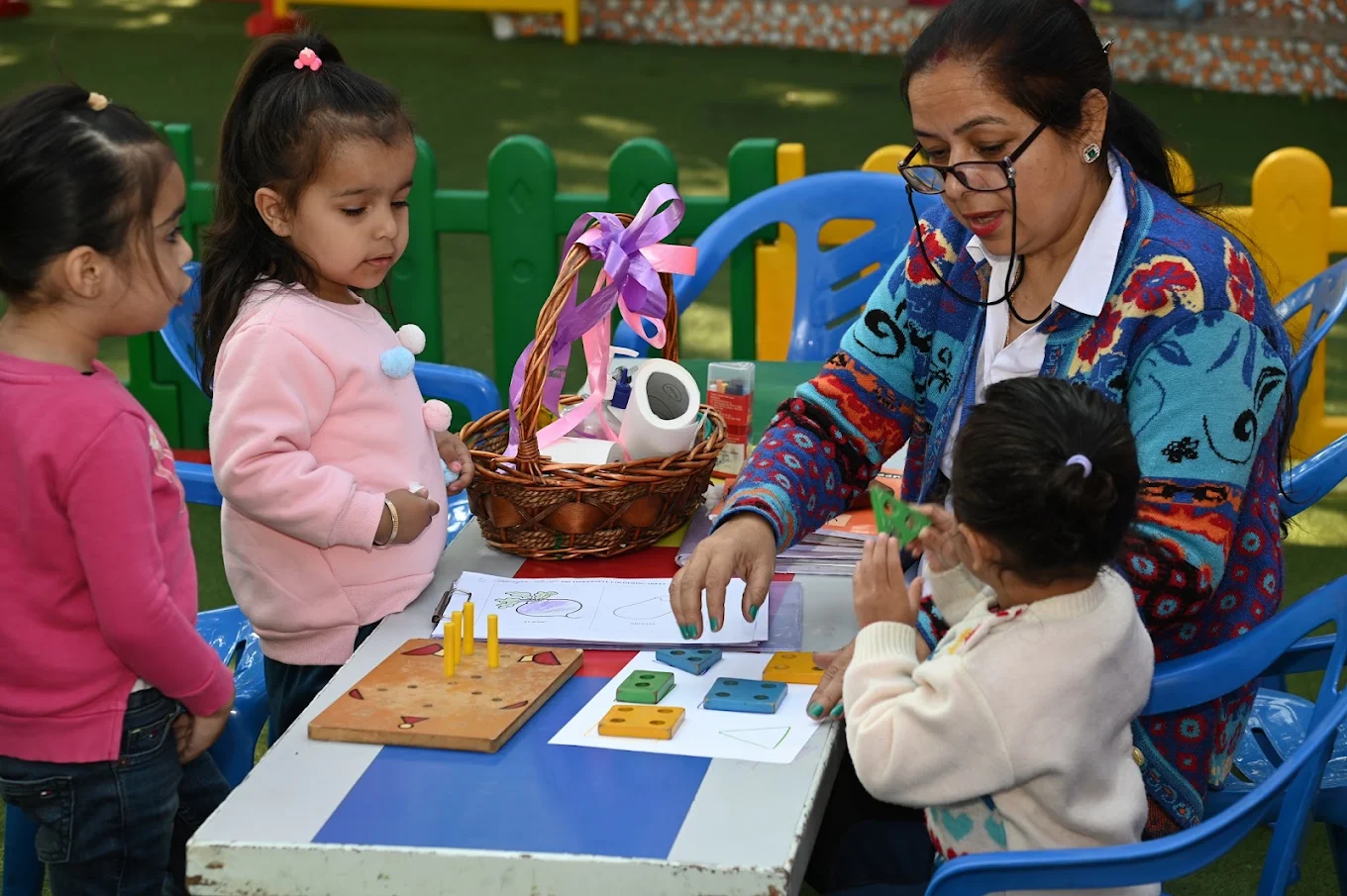
Children learn best when they are having fun. While they play, draw, build, and explore, they are also developing important life skills. One of the most essential areas of early childhood development is fine motor skills. These skills help children perform everyday tasks such as holding a pencil, buttoning clothes, using scissors, eating independently, and writing.
At Tinkerbelle Preschool, we believe that learning should be joyful, hands-on, and engaging. Through carefully planned activities, children strengthen their hand muscles, improve coordination, and build confidence—all while having fun.
In this blog, we’ll explore the best fine motor skill activities for preschool kids that parents and teachers can easily incorporate into everyday learning.
What Are Fine Motor Skills?
Fine motor skills involve the coordination of the small muscles in the hands, fingers, and wrists, along with the eyes. These skills allow children to perform precise movements required for daily activities and academic success.
Strong fine motor skills help children:
- Hold pencils and crayons correctly.
- Cut shapes safely with scissors.
- Button shirts and zip jackets.
- Open lunch boxes and water bottles.
- Build with blocks and puzzles.
- Improve handwriting and drawing skills.
- Develop independence in everyday tasks.
Why Are Fine Motor Skills Important?
Developing fine motor skills during the preschool years lays the foundation for future learning. Children with stronger hand control often find writing, drawing, and classroom activities easier and more enjoyable.
Benefits include:
- Better hand-eye coordination.
- Improved concentration and focus.
- Stronger finger and wrist muscles.
- Enhanced creativity.
- Increased confidence and independence.
- Better preparation for kindergarten and primary school.
15 Best Fine Motor Skill Activities for Preschool Kids
1. Play Dough Fun
Rolling, squeezing, pinching, and shaping play dough strengthens finger muscles while encouraging creativity. Ask children to create animals, fruits, or alphabet letters.
2. Bead Threading
Threading colorful beads onto strings improves hand-eye coordination, finger control, and concentration. Use larger beads for younger children and smaller ones as they grow.
3. Paper Tearing and Pasting
Tearing colored paper into small pieces and gluing them onto drawings helps strengthen finger muscles while improving control.
4. Coloring Within the Lines
Coloring develops pencil grip and hand control. Encourage children to use crayons, colored pencils, or washable markers while staying inside simple outlines.
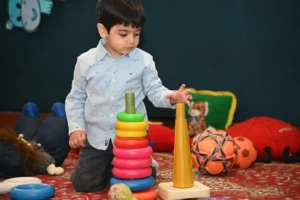
5. Building with Blocks
Stacking blocks improves hand coordination, balance, and problem-solving skills. Children also learn about shapes, sizes, and creativity through construction play.
6. Cutting with Child-Safe Scissors
Once children are ready, supervised cutting activities help improve hand strength and bilateral coordination. Begin with straight lines before progressing to simple shapes.
7. Pegboard Activities
Placing colorful pegs into pegboards encourages precision, finger strength, and pattern recognition.
8. Buttoning and Zipping Practice
Use dressing boards or old shirts with buttons and zippers to help children practice everyday self-care skills.
9. Sticker Fun
Peeling and placing stickers requires careful finger movements and improves precision while making learning exciting.
10. Painting with Cotton Buds
Instead of paintbrushes, let children use cotton buds to create dot art. This develops the pincer grip needed for writing.
11. Puzzle Time
Simple wooden puzzles improve finger control, patience, and logical thinking while strengthening hand muscles.
12. Tweezers Sorting Game
Provide child-friendly tweezers and ask children to sort pom-poms, buttons, or colorful objects into different bowls. This activity strengthens finger muscles significantly.
13. Lacing Cards
Children thread shoelaces through pre-punched cards with shapes or animals, improving coordination and concentration.
14. Nature Collage
Collect leaves, flowers, sticks, and small stones during outdoor play. Let children create beautiful collages by arranging and sticking them onto paper.
15. Finger Painting
Finger painting allows children to explore textures while improving finger control and encouraging creativity. It’s messy—but incredibly beneficial!
Tips for Parents
You don’t need expensive toys to improve your child’s fine motor skills. Everyday household items can become valuable learning tools.
Here are a few tips:
- Encourage daily creative play.
- Let children dress themselves whenever possible.
- Provide opportunities for drawing and coloring.
- Limit excessive screen time.
- Celebrate effort rather than perfection.
- Choose activities appropriate for your child’s age.
Remember, consistency is more important than complexity. Even 15–20 minutes of engaging activities each day can make a big difference.
Fine Motor Skills at Tinkerbelle Preschool
At Tinkerbelle Preschool, fine motor development is integrated into our daily learning routine. Our classrooms are designed to provide hands-on experiences that strengthen children’s hand muscles while encouraging curiosity and creativity.
Our activities include:
- Art and craft sessions
- Clay and play dough exploration
- Puzzle-solving
- Sensory play
- Bead threading
- Building blocks
- Montessori-inspired practical life activities
- Drawing and pre-writing exercises
These experiences help children become confident learners who are ready for future academic success.
Conclusion
Fine motor skills are essential building blocks for a child’s overall development. Through playful, engaging, and age-appropriate activities, children strengthen their hands, improve coordination, and gain the confidence needed for everyday tasks and school readiness.
Whether at home or in preschool, incorporating simple fine motor activities into your child’s daily routine can make learning enjoyable while supporting healthy development.
At Tinkerbelle Preschool, we nurture every child’s growth through creative learning experiences that inspire confidence, independence, and a lifelong love of learning. Together, we can help your little one develop the skills they need to thrive.
Ready to give your child the best start? Visit Tinkerbelle Preschool to discover our play-based learning programs designed to support every stage of early childhood development.