Communication is one of the most important life skills a child can develop during their early years. Before the age of five, children experience rapid growth in language, listening, and social interaction abilities. These foundational skills help them express their thoughts, build relationships, understand emotions, and succeed in school and beyond.
As parents and educators, supporting communication development during these crucial years can have a lasting impact on a child’s confidence and overall growth. In this blog, we explore practical ways to build strong communication skills before age 5.
Why Communication Skills Matter in Early Childhood
Communication is much more than speaking. It includes:
- Listening and understanding
- Expressing thoughts and feelings
- Using body language and gestures
- Asking questions
- Following instructions
- Interacting with others confidently
Children with strong communication skills often find it easier to make friends, solve problems, and participate actively in learning activities.
Start Talking Early
Communication development begins long before a child says their first word. Babies learn language by listening to the voices around them.
Parents can encourage early communication by:
- Talking to their child throughout the day
- Describing daily activities
- Naming objects and people
- Responding to sounds and gestures
- Maintaining eye contact during conversations
Even simple interactions help children understand language patterns and vocabulary.
Read Together Every Day
Reading is one of the most effective ways to develop communication skills.
When reading with your child:
- Point to pictures and name objects
- Ask simple questions about the story
- Encourage your child to predict what happens next
- Allow them to turn pages and participate
- Read with expression and enthusiasm
Daily reading helps children expand their vocabulary and improve listening skills.
Encourage Two-Way Conversations
Many parents focus on talking to children, but listening is equally important.
Create opportunities for conversation by:
- Asking open-ended questions
- Giving children time to respond
- Showing interest in their answers
- Encouraging them to share experiences
For example, instead of asking, “Did you have fun today?” ask, “What was your favorite activity today?”
This encourages children to think, organize their thoughts, and express themselves clearly.
Limit Excessive Screen Time
While educational programs can be helpful, excessive screen exposure can reduce opportunities for real-life conversations.
Children develop communication skills best through:
- Face-to-face interactions
- Storytelling
- Group activities
- Playtime with peers
- Family discussions
Balancing screen time with meaningful human interaction supports healthy language development.
Use Songs and Rhymes
Children naturally enjoy music, rhythm, and repetition.
Nursery rhymes and songs help children:
- Learn new words
- Improve pronunciation
- Develop listening skills
- Remember language patterns
Singing together can make language learning enjoyable and engaging.
Encourage Pretend Play
Pretend play is a powerful tool for communication development.
Activities such as:
- Playing teacher and student
- Running a pretend shop
- Acting out stories
- Playing with dolls and puppets
allow children to practice conversations, express emotions, and develop social skills.
Through imaginative play, children learn how to communicate in different situations.
Expand Their Vocabulary Naturally
When children learn new words, they gain confidence in expressing themselves.
Parents can build vocabulary by:
- Naming everyday objects
- Introducing new descriptive words
- Explaining unfamiliar terms
- Encouraging curiosity and questions
For example, instead of saying “car,” you can introduce words like “vehicle,” “speed,” or “traffic.”
Children absorb language quickly when it is used naturally in everyday conversations.
Teach Active Listening
Good communication starts with good listening.
Help children develop listening skills by:
- Reading instructions aloud
- Playing listening games
- Following simple directions
- Encouraging them to wait for their turn to speak
Listening activities improve concentration and understanding.
Create Opportunities for Social Interaction
Children learn communication skills by interacting with others.
Group activities help them:
- Share ideas
- Take turns speaking
- Understand different perspectives
- Develop confidence in conversations
Preschools and playgroups provide valuable opportunities for children to practice social communication in a supportive environment.
Be a Positive Role Model
Children learn by observing adults.
Parents can model effective communication by:
- Speaking politely
- Using respectful language
- Listening attentively
- Expressing emotions calmly
- Maintaining positive conversations
When children see good communication habits, they are more likely to adopt them themselves.
Celebrate Effort, Not Perfection
Every child develops communication skills at their own pace. Instead of correcting every mistake, focus on encouraging effort.
Praise children when they:
- Try new words
- Ask questions
- Share stories
- Participate in conversations
Positive reinforcement builds confidence and motivates further learning.
Signs of Healthy Communication Development
By age five, many children can:
- Speak in complete sentences
- Follow simple instructions
- Ask and answer questions
- Tell short stories
- Express feelings and needs clearly
- Participate in conversations with peers
If parents notice significant delays in speech or understanding, consulting a pediatrician or speech specialist can be helpful.
The Role of Preschool in Communication Development
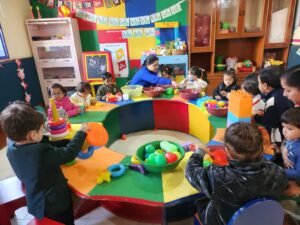
A quality preschool environment provides daily opportunities for children to communicate, collaborate, and learn through interaction.
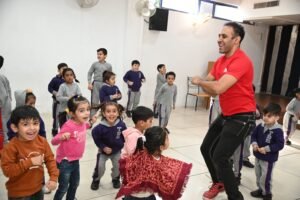
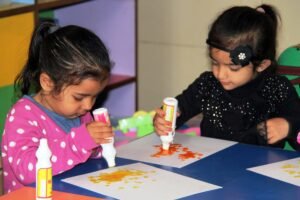
Activities such as storytelling, circle time, role play, group discussions, and creative projects help strengthen communication skills while building confidence and social awareness.
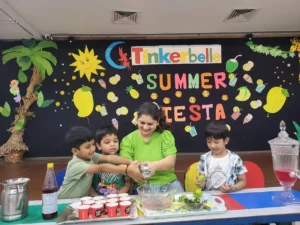
At Tinkerbelle Preschool, children are encouraged to express themselves freely, participate in engaging activities, and develop strong communication skills that prepare them for future academic and social success.
Conclusion
Building strong communication skills before age 5 is one of the greatest gifts parents can give their children. Through conversations, reading, play, listening activities, and positive social experiences, children develop the confidence and ability to express themselves effectively.
The early years provide a unique opportunity to nurture communication skills that will support learning, relationships, and personal growth throughout life. By creating a language-rich environment and encouraging meaningful interactions, parents can help their children become confident communicators and lifelong learners.