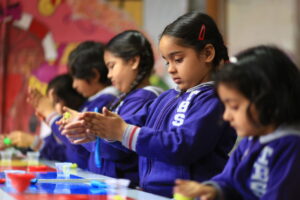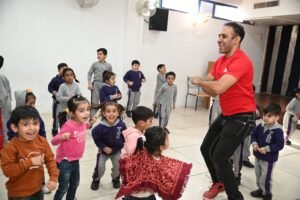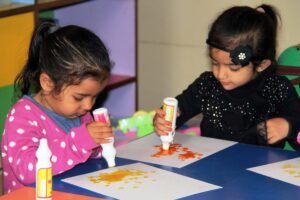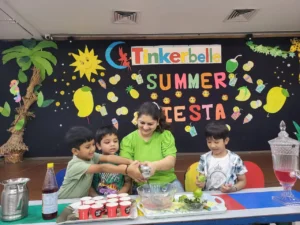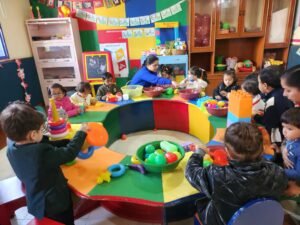

Children are naturally curious. They love asking questions, observing things around them, touching different objects, and discovering how things work. Preschool is the perfect time to encourage this curiosity through simple and enjoyable science experiments.
Science does not always require complicated equipment or laboratory activities. Everyday items such as water, balloons, paper, food colouring, and household objects can become exciting learning tools for young children. These activities help preschoolers understand basic scientific concepts while developing observation, creativity, problem-solving, and thinking skills.
For children between 2 and 6 years, learning through exploration makes education more meaningful. Let’s explore some easy science experiments that parents and teachers can introduce to preschoolers.
Why Are Science Experiments Important for Preschoolers?
Science experiments introduce children to the world of discovery. Instead of simply listening to explanations, children get opportunities to observe, explore, ask questions, and understand things through practical experiences.
Some important benefits include:
- Develops Curiosity: Children become interested in understanding why things happen and how objects work.
- Improves Observation Skills: Watching changes in water, colours, and everyday materials helps children notice small details.
- Encourages Problem-Solving: Experiments allow children to make predictions and find answers through exploration.
- Builds Creativity: Hands-on activities encourage children to think independently and explore different possibilities.
- Improves Language Skills: Children learn new words while describing what they see and experience.
- Introduces Basic Science Concepts: Simple activities help children understand concepts such as floating, sinking, mixing, and movement.
10 Easy Science Experiments for Preschool Kids
Here are some simple and interesting science experiments that parents and preschool teachers can organise using everyday materials.
1. Rainbow Walking Water Experiment
Concept: Water movement and colour mixing
This colourful experiment helps children understand how water moves and how different colours combine.
Materials Required:
- Three small transparent glasses
- Water
- Red, yellow, and blue food colouring
- Paper towels
How to Perform:
- Fill two glasses with water and add different food colours to each.
- Leave the third glass empty.
- Fold paper towels into long strips.
- Place one end of each paper towel in a coloured glass and the other end in the empty glass.
- Ask children to observe how the coloured water travels through the paper towels.
What Kids Learn: Children discover how water moves through paper and how primary colours combine to create new colours.
2. Sink or Float Experiment
Concept: Floating and sinking
Children enjoy discovering why some objects float while others sink.
Materials Required:
- A transparent bowl filled with water
- Plastic spoon
- Small toy
- Leaf
- Stone
- Cork
- Plastic ball
How to Perform:
- Place all the objects on a table.
- Ask children to guess which objects will float and which will sink.
- Put each object into the water one by one.
- Observe the results together.
- Discuss whether their predictions were correct.
What Kids Learn: This activity introduces basic concepts of buoyancy and helps children develop observation and prediction skills.
3. Dancing Raisins Experiment
Concept: Gas bubbles and movement
This experiment makes children curious about why small raisins appear to move up and down in a glass.
Materials Required:
- Clear glass
- Plain sparkling water
- A few raisins
How to Perform:
- Pour sparkling water into a clear glass.
- Add a few raisins.
- Ask children to observe what happens.
- Watch as bubbles attach to the raisins and help them rise.
- Discuss why the raisins move up and down.
What Kids Learn: Children get an introduction to gas bubbles and how they can cause movement.
4. Magic Milk Colour Experiment
Concept: Surface tension
This colourful activity allows preschoolers to observe how colours move and spread across the surface of milk.
Materials Required:
- A shallow plate
- Milk
- Food colouring
- Cotton bud
- A little dishwashing liquid
How to Perform:
- Pour a thin layer of milk into a shallow plate.
- Add a few drops of different food colours.
- Dip a cotton bud into a little dishwashing liquid.
- Gently touch the coloured milk with the cotton bud.
- Observe the colours moving and spreading.
What Kids Learn: Children explore how soap interacts with milk and discover interesting changes in the movement of colours.
5. Balloon-Powered Car Experiment
Concept: Air pressure and movement
This activity introduces children to the relationship between air and movement.
Materials Required:
- A lightweight toy car
- Balloon
- Straw
- Tape
How to Perform:
- Attach a straw to the opening of a balloon.
- Secure the balloon and straw to the toy car.
- Inflate the balloon through the straw and hold its opening closed.
- Place the car on a smooth surface.
- Release the balloon and watch the car move.
What Kids Learn: Children discover that moving air can create force and push objects forward.
6. Growing a Bean in a Cotton Ball
Concept: Plant growth and germination
This experiment helps children understand how plants begin to grow.
Materials Required:
- A transparent cup
- Cotton balls
- A few beans
- Water
How to Perform:
- Place slightly damp cotton balls inside a transparent cup.
- Put a few beans between the cotton and the side of the cup.
- Keep the cup in a place with suitable light.
- Check the cotton regularly and keep it moist.
- Observe the beans over the following days.
What Kids Learn: Children learn that seeds need water, air, and suitable conditions to grow. They also develop patience by observing changes over time.
7. Homemade Rain Cloud Experiment
Concept: Rainfall and water movement
Children can understand a simple version of how rain forms through this easy demonstration.
Materials Required:
- A transparent glass
- Water
- Shaving foam
- Blue food colouring mixed with water
- Dropper
How to Perform:
- Fill a transparent glass with water.
- Add a layer of shaving foam on top.
- Use a dropper to add coloured water slowly over the foam.
- Continue adding drops and observe the coloured water moving through the foam.
What Kids Learn: This activity introduces children to clouds and rainfall through a simple visual demonstration.
8. Static Electricity with a Balloon
Concept: Static electricity
This fun experiment shows children how an ordinary balloon can attract lightweight objects.
Materials Required:
- Balloon
- Small pieces of paper
- Woollen cloth
How to Perform:
- Inflate a balloon and tie it securely.
- Rub it gently against a woollen cloth or dry hair.
- Bring the balloon close to small pieces of paper.
- Observe how the paper pieces move towards the balloon.
What Kids Learn: Children get an introduction to static electricity and invisible forces.
9. Colour Mixing Experiment
Concept: Primary and secondary colours
This is a simple and creative experiment that combines science with art.
Materials Required:
- Three transparent cups
- Water
- Red, yellow, and blue food colouring
- Empty mixing cups
How to Perform:
- Fill three cups with water.
- Add a different primary colour to each cup.
- Take small amounts of two different coloured waters.
- Mix them in an empty cup.
- Observe the new colour that appears.
What Kids Learn: Children discover how colours combine and develop early observation and creative thinking skills.
10. Ice Melting Experiment
Concept: Temperature and changes in states of matter
Children can explore why ice changes into water when exposed to warmth.
Materials Required:
- Ice cubes
- Two small bowls
- Room-temperature water
How to Perform:
- Place ice cubes in two separate bowls.
- Leave one bowl at room temperature.
- Add a little room-temperature water to the second bowl.
- Ask children to observe which ice cubes melt faster.
- Discuss the changes they notice.
What Kids Learn: Children understand that temperature affects how quickly ice melts and learn about the change from solid to liquid.
Tips for Making Science Experiments More Enjoyable for Preschoolers
Science activities should be simple, interactive, and suitable for children’s age groups. Here are some ways parents and teachers can make these experiments more engaging:
- Let Children Make Predictions: Ask questions such as “What do you think will happen?” before starting an experiment.
- Encourage Questions: Allow children to ask questions and share their observations freely.
- Use Everyday Materials: Choose safe and easily available materials to make learning convenient.
- Make Learning Interactive: Give children opportunities to observe, participate, and explore under adult guidance.
- Connect Experiments with Daily Life: Explain how the activity relates to things children see around them.
- Appreciate Their Efforts: Celebrate their curiosity and encourage them even when their predictions are incorrect.
Safety Tip: Always conduct experiments under adult supervision. Use non-toxic materials, avoid small objects that can cause choking, and never allow children to taste experiment materials. Keep balloons, cleaning products, and other potentially hazardous materials away from young children unless an adult is directly managing the activity.
How Tinkerbelle Makes Early Learning More Exciting
At Tinkerbelle, learning is about more than books and classroom lessons. Children need opportunities to explore, experiment, create, and discover new things in a supportive environment.
As a preschool in Panchkula, Tinkerbelle focuses on creating engaging learning experiences that encourage curiosity, confidence, creativity, and overall development.
Through interactive classroom activities, play-based learning, creative exploration, and age-appropriate experiences, children get opportunities to develop important early learning skills.
Science-based activities can also help children become better observers, independent thinkers, and curious learners. By introducing new concepts through practical experiences, Tinkerbelle encourages children to enjoy the learning process and develop a positive attitude towards education.
If you are looking for a nurturing Playway School in Panchkula where your child can learn through exploration and enjoyable activities, Tinkerbelle provides a welcoming environment for early childhood learning.
Conclusion
Science experiments are a wonderful way to make early childhood education interesting and meaningful. Simple activities such as colour mixing, floating and sinking, growing seeds, and balloon experiments allow preschoolers to discover how the world works.
These hands-on experiences develop curiosity, creativity, observation, and problem-solving abilities while making learning enjoyable.
Parents and teachers can introduce these activities at home or in the classroom to encourage children to ask questions and explore new ideas. After all, every little experiment can become a big learning experience for a young mind.