Early childhood is one of the most important phases in human development. During the first few years of life, a child’s brain develops faster than at any other stage. These early years lay the foundation for learning, behavior, emotional well-being, and social skills. Understanding the science behind early childhood learning helps parents and educators create the right environment where children can absorb knowledge, adapt to new experiences, and grow into confident individuals.
At institutions like Tinkerbelle Panchkula, educators focus on scientifically designed learning methods that nurture curiosity, creativity, and cognitive development. This is why many parents searching for the Best Pre School in Panchkula prioritize schools that follow modern early learning principles. Similarly, high-quality Kindergarten Schools in Panchkula focus on creating stimulating environments where young minds can develop naturally through exploration and guided activities.
In this blog, we will explore the fascinating science behind early childhood learning and understand how young minds absorb information, adapt to their surroundings, and grow into lifelong learners.
Understanding Early Childhood Brain Development
The human brain grows rapidly during the early years of life. According to developmental research, about 90% of brain development happens before the age of five. During this stage, billions of neural connections form every second as children interact with the world around them.
These neural connections are created through experiences such as:
- Playing
- Listening
- Observing
- Talking
- Touching
- Exploring
The more meaningful experiences children have, the stronger these brain connections become.
A nurturing learning environment—such as the one provided by the Best Pre School in Panchkula—encourages children to explore freely while guiding them through structured activities that stimulate brain development.
The Role of Curiosity in Early Learning
Children are naturally curious. Their constant questions—“Why?”, “How?”, and “What is this?”—are signs of active brain development. Curiosity drives children to explore the world and learn new things.
In early childhood education, curiosity is encouraged rather than suppressed. When children are allowed to ask questions, experiment, and explore ideas, they develop:
- Critical thinking skills
- Problem-solving abilities
- Creativity
- Confidence
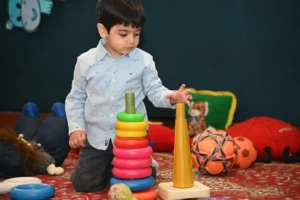
Many Kindergarten Schools in Panchkula use play-based learning methods to support curiosity-driven education. Activities like storytelling, puzzles, building blocks, and role-playing help children understand concepts in a fun and engaging way.
At Tinkerbelle Panchkula, learning is designed to keep curiosity alive while helping children discover their interests and talents.
How Children Absorb Information
Young children absorb information differently from adults. Instead of memorizing facts, they learn through experiences and interactions.
1. Learning Through Play
Play is one of the most powerful tools for early learning. It helps children understand the world in a natural way.
Through play, children develop:
- Motor skills
- Language skills
- Social interaction
- Emotional understanding
For example, when children play with building blocks, they learn about shapes, balance, and spatial awareness. When they play with peers, they develop cooperation and communication skills.
This is why the Best Pre School in Panchkula integrates structured play into daily learning routines.
2. Learning Through Observation
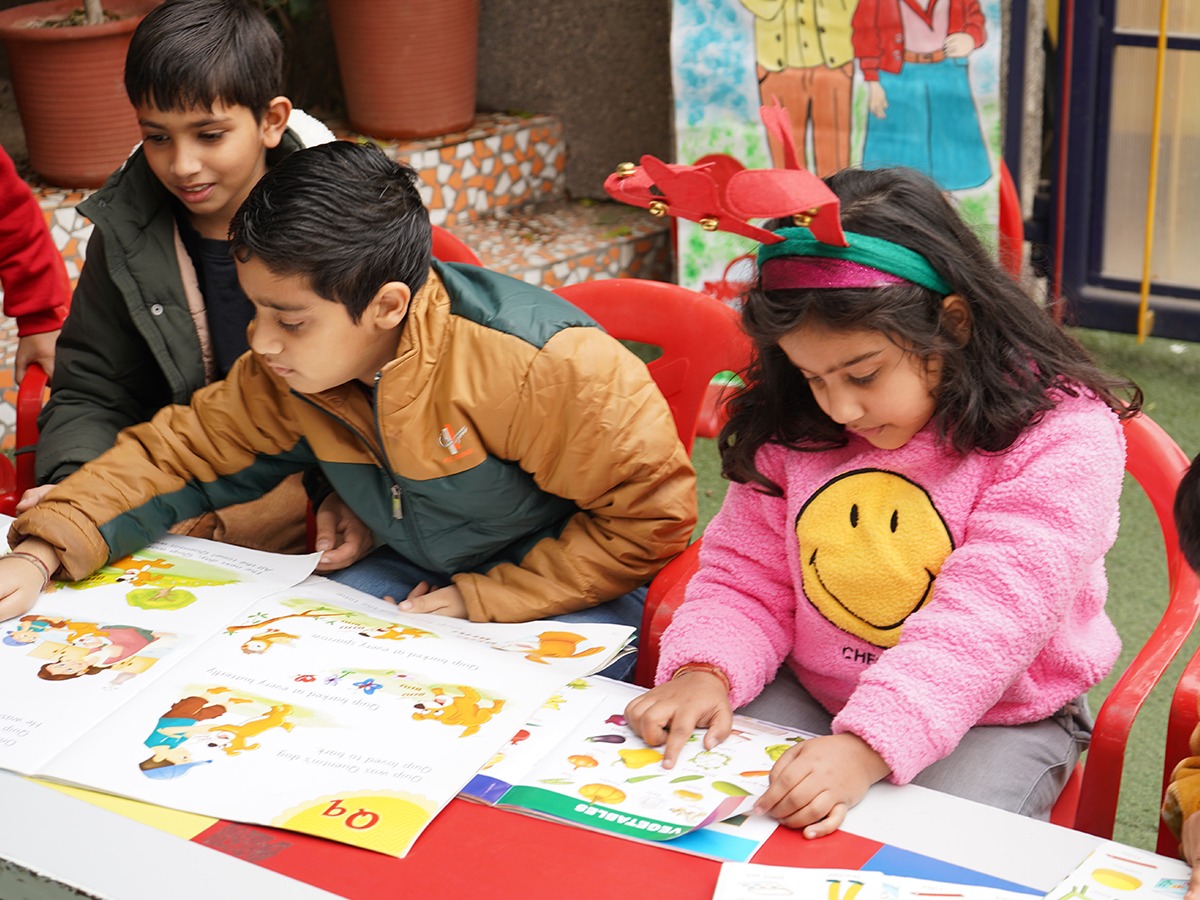
Children learn a lot by observing adults and other children. They imitate behaviors, language, and social interactions.
For instance:
- Watching teachers helps children learn discipline and respect.
- Observing classmates encourages cooperation and teamwork.
- Listening to conversations improves language development.
High-quality Kindergarten Schools in Panchkula provide positive role models and interactive environments that promote healthy observational learning.
3. Learning Through Repetition
Repetition strengthens neural connections in the brain. When children repeat activities like singing songs, reciting rhymes, or practicing numbers, their understanding becomes stronger.
This is why early education includes activities such as:
- Rhymes and music
- Repeated storytelling
- Practice with alphabets and numbers
- Daily routines
These repetitive activities help children retain knowledge and build confidence in their abilities.
The Importance of Emotional Development
Learning is not just about academics. Emotional development plays an equally important role in early childhood education.
Children need to feel:
- Safe
- Loved
- Encouraged
- Supported
When children feel emotionally secure, their brains become more receptive to learning.
Teachers at the Best Pre School in Panchkula understand the importance of emotional care and create a supportive environment where children feel comfortable expressing themselves.
Positive emotional experiences help children develop:
- Self-confidence
- Empathy
- Patience
- Emotional intelligence
These qualities are essential for lifelong success.
Social Interaction and Learning
Children learn many life skills through social interaction. Interacting with peers helps them understand communication, cooperation, and conflict resolution.
In early childhood classrooms, group activities help children learn how to:
- Share toys
- Take turns
- Express their feelings
- Solve small disagreements
Quality Kindergarten Schools in Panchkula encourage group learning activities such as storytelling circles, group games, and collaborative art projects.
These experiences teach children the value of teamwork and mutual respect.
Language Development in Early Childhood
Language development is another crucial part of early learning. During the early years, children rapidly expand their vocabulary and communication skills.
Language learning happens through:
- Listening to stories
- Singing songs
- Talking with teachers
- Conversing with classmates
- Asking questions
Teachers in the Best Pre School in Panchkula use storytelling, phonics activities, and interactive discussions to support language growth.
A strong language foundation helps children succeed in future academic learning and social interactions.
Cognitive Development and Problem-Solving
Cognitive development refers to how children think, understand, and solve problems.
During early childhood, children begin to:
- Recognize patterns
- Understand numbers
- Identify shapes and colors
- Solve simple puzzles
- Make decisions
Activities that support cognitive development include:
- Matching games
- Memory games
- Sorting objects
- Building structures
- Basic math concepts
Leading Kindergarten Schools in Panchkula design activities that gradually challenge children’s thinking abilities while keeping learning enjoyable.
Physical Development and Learning
Physical development is closely connected to cognitive development. When children engage in physical activities, their brains also become more active.
Activities that support physical development include:
- Running and jumping
- Climbing
- Drawing and coloring
- Playing with balls
- Dancing
These activities improve:
- Coordination
- Balance
- Fine motor skills
- Gross motor skills
The Best Pre School in Panchkula ensures that children get a balanced mix of indoor learning and outdoor play to support healthy physical growth.
The Role of Creativity in Early Learning
Creativity is a powerful tool for early childhood development. Creative activities allow children to express their thoughts and emotions while strengthening imagination.
Creative learning activities include:
- Painting
- Drawing
- Craft projects
- Music and dance
- Story creation
When children participate in creative activities, they develop:
- Self-expression
- Confidence
- Innovative thinking
- Emotional awareness
Many Kindergarten Schools in Panchkula incorporate art, music, and drama into their curriculum to nurture creativity from an early age.
Building Independence in Young Children
Another important goal of early education is helping children develop independence.
Simple daily routines teach children how to:
- Organize their belongings
- Follow instructions
- Make choices
- Solve small problems
Teachers in the Best Pre School in Panchkula encourage children to perform small tasks on their own, such as packing their bags, arranging toys, and completing simple classroom activities.
These experiences build responsibility and self-confidence.
The Importance of a Stimulating Learning Environment
The environment in which children learn has a major impact on their development.
A good early learning environment includes:
- Safe and clean classrooms
- Colorful learning materials
- Interactive teaching tools
- Engaging play areas
- Supportive teachers
A stimulating environment encourages children to explore and discover new things every day.
Many parents choose the Best Pre School in Panchkula because it provides a nurturing environment designed specifically for early childhood development.
Similarly, well-established Kindergarten Schools in Panchkula ensure that classrooms are designed to stimulate creativity, curiosity, and comfort.
The Role of Teachers in Early Learning
Teachers play a vital role in shaping young minds. Early childhood educators are not just instructors—they are guides, mentors, and caregivers.
Good preschool teachers:
- Encourage curiosity
- Support emotional development
- Provide structured learning activities
- Create a positive classroom atmosphere
At Tinkerbelle Panchkula, experienced educators focus on building strong relationships with children while guiding them through interactive and engaging learning experiences.
This supportive approach helps children feel confident and motivated to learn.
Parental Involvement in Early Childhood Education
Parents also play a crucial role in a child’s early learning journey. When parents actively participate in their child’s education, it strengthens learning outcomes.
Parents can support early learning by:
- Reading stories at home
- Encouraging curiosity
- Talking about daily experiences
- Providing creative play opportunities
- Maintaining consistent routines
When schools and parents work together, children receive consistent guidance and encouragement.
The Best Pre School in Panchkula often encourages parent involvement through activities, workshops, and communication programs.
Preparing Children for Future Academic Success
Early childhood education prepares children for future academic challenges.
Children who attend high-quality preschools often develop:
- Better language skills
- Stronger social abilities
- Improved concentration
- Higher confidence levels
These qualities make the transition to primary school smoother and more successful.
This is why many families choose reputed Kindergarten Schools in Panchkula that focus on holistic child development rather than just academic learning.
The Long-Term Benefits of Early Childhood Learning
Investing in early childhood education provides lifelong benefits.
Children who receive quality early education often grow into individuals who are:
- More confident
- Better communicators
- Strong problem-solvers
- Emotionally intelligent
- Academically successful
The early years shape the foundation for future learning, career success, and personal well-being.
Choosing the Best Pre School in Panchkula ensures that children receive the right start in life.
Why Choose Tinkerbelle Panchkula for Early Learning
Tinkerbelle Panchkula is committed to nurturing young minds through scientifically designed learning methods and a child-friendly environment.
The school focuses on:
- Play-based learning
- Emotional development
- Creative exploration
- Social interaction
- Cognitive growth
With experienced educators and a well-designed curriculum, Tinkerbelle Panchkula helps children absorb knowledge naturally while encouraging curiosity and imagination.
Parents looking for the Best Pre School in Panchkula often prefer institutions that focus on holistic child development. Tinkerbelle Panchkula stands among trusted Kindergarten Schools in Panchkula that provide a balanced approach to early education.
Conclusion
Early childhood learning is a fascinating process where young minds absorb information, adapt to their surroundings, and grow into confident individuals. The science behind early education shows that the experiences children receive during their first few years play a crucial role in shaping their future.
From play-based learning and social interaction to creativity and emotional development, every aspect of early education contributes to a child’s growth. A nurturing and stimulating learning environment allows children to explore their potential while building essential life skills.
Institutions like Tinkerbelle Panchkula understand the importance of these early years and focus on providing a balanced and engaging learning experience. For parents searching for the Best Pre School in Panchkula or reliable Kindergarten Schools in Panchkula, choosing the right preschool can make a lasting difference in their child’s educational journey.
By supporting curiosity, encouraging exploration, and nurturing young minds, early childhood education truly becomes the foundation for a bright and successful future.