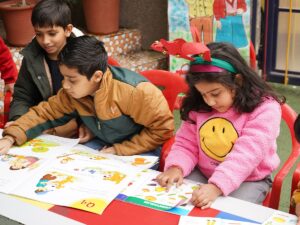
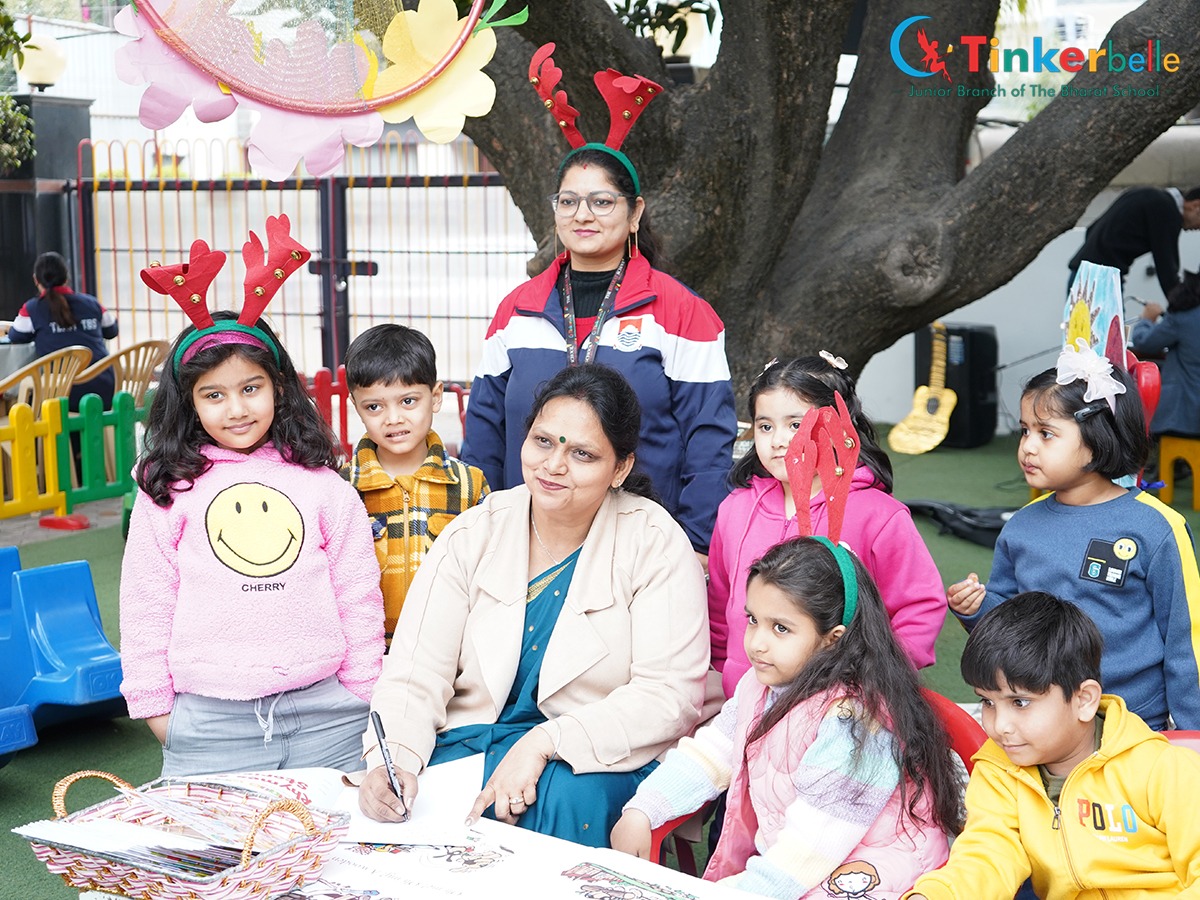
When parents begin searching for the Best Pre School in Panchkula, academics are often the first thing they ask about. They want to know whether their child will learn alphabets, numbers, phonics, or basic math skills. While these are important milestones, early childhood experts agree on one powerful truth: a safe and nurturing environment matters far more than early academic pressure.
The early years of a child’s life are not meant to be rushed. They are meant to build emotional security, curiosity, confidence, and social skills. These foundations determine how successfully a child will learn later in life. At Tinkerbelle Panchkula, we believe that when children feel safe, valued, and emotionally supported, academic growth follows naturally.
This blog explores why emotional safety, nurturing care, and a play-based approach are more important than academic drills in preschool years.
The Early Years: A Critical Period of Development
Between birth and age six, a child’s brain develops at an extraordinary rate. Neural connections form rapidly based on daily experiences, interactions, and emotional responses. During this time, children are learning how to trust, communicate, explore, and understand the world around them.
Research consistently shows that children who feel emotionally secure perform better academically later in primary school. Emotional stability builds focus, memory, resilience, and problem-solving abilities. This is why choosing the Best Pre School in Panchkula should involve looking beyond academic worksheets and focusing on overall development.
A quality Play School in Panchkula understands that the preschool years are not about academic competition. They are about growth in all areas: emotional, social, physical, and cognitive.
What Defines a Safe and Nurturing Preschool Environment?
A nurturing preschool environment is one where children feel protected, understood, and encouraged. It consists of several key components.
Physical Safety
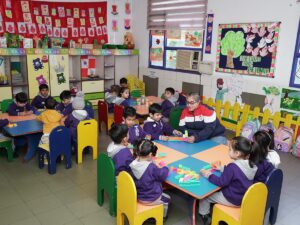
Children must be in a secure space that is child-friendly and hygienic. Classrooms should be designed with rounded furniture, safe play equipment, secure entry points, and continuous supervision. Cleanliness, sanitation, and emergency preparedness are essential features of any reliable preschool.
Parents exploring Kindergarten Schools should observe how well classrooms are organized and whether safety protocols are clearly in place.
Emotional Safety
Emotional safety is equally important. Young children experience a wide range of feelings—joy, fear, frustration, excitement. A nurturing preschool allows children to express these emotions freely and teaches them how to manage them.
Teachers should respond with patience and empathy rather than strict discipline. When a child feels heard and understood, they develop trust and confidence.
Consistent Caregivers
Strong relationships with caregivers create a sense of security. Children thrive when they interact with teachers who understand their personalities and learning styles. Stability in staff and low teacher-to-child ratios help build these meaningful connections.
Encouragement of Curiosity
A nurturing environment encourages questions, imagination, and exploration. Instead of focusing on memorization, children are guided to think, discover, and experiment. This curiosity becomes the foundation of lifelong learning.
Why Academics Should Not Be the Main Focus in Preschool
In many modern education systems, there is increasing pressure to introduce formal academics at an earlier age. However, pushing structured learning too soon can create unnecessary stress.
Children at preschool age learn best through hands-on experiences, storytelling, conversation, music, and play. Worksheets and rigid lessons may limit creativity and reduce enthusiasm for learning.
Here is why early academic pressure can be counterproductive:
- It may create anxiety and fear of failure.
- It can reduce intrinsic motivation.
- It may limit creativity and problem-solving skills.
- It can lead to burnout before formal schooling begins.
The Best Pre School in Panchkula focuses on preparing children emotionally and socially first. Once those foundations are strong, academics become easier and more enjoyable.
The Power of Play-Based Learning
Play is often misunderstood as simple recreation. In reality, play is a powerful educational tool.
Through play, children naturally learn:
- Language and communication skills
- Early math concepts like counting and sorting
- Scientific thinking through experimentation
- Social skills such as sharing and cooperation
- Emotional regulation and patience
- Fine and gross motor development
For example, building blocks teaches spatial awareness and problem-solving. Role-playing develops empathy and language skills. Outdoor play enhances physical coordination and teamwork.
A Play School in Panchkula that prioritizes structured play over strict academic tasks ensures holistic development. Play-based learning encourages children to think independently and approach challenges creatively.
Emotional Development: The Foundation of Success
Emotional intelligence plays a greater role in long-term success than early academic achievement. A child who understands their emotions and can communicate effectively is better prepared for primary school and beyond.
In a nurturing preschool environment, children learn to:
- Identify and express feelings
- Resolve conflicts peacefully
- Develop empathy for others
- Practice patience and self-control
- Build self-confidence
Kindergarten Schools that prioritize emotional growth help children transition smoothly into formal education settings. Emotional readiness ensures that children are not overwhelmed when academic expectations increase later.
Social Skills Begin in Preschool
Preschool is often a child’s first structured social experience outside the family. This makes it an important setting for developing interpersonal skills.
Children learn to:
- Take turns
- Share resources
- Follow simple instructions
- Work collaboratively
- Respect differences
- Build friendships
These skills cannot be taught through textbooks alone. They are learned through interaction, observation, and guided practice.
The Best Pre School in Panchkula creates opportunities for group activities, cooperative play, and guided discussions that build these social abilities naturally.
The Importance of Routine and Structure
While preschool should be flexible and playful, a predictable daily routine provides children with a sense of security. Consistent schedules help children understand expectations and develop independence.
A balanced preschool day may include:
- Welcome and free exploration
- Circle time with stories and discussions
- Creative activities such as art and music
- Outdoor play
- Snack and social time
- Quiet reflection or rest
- Closing group interaction
This structured yet flexible environment promotes stability without overwhelming children with rigid academic expectations.
Parent and Teacher Partnership
A nurturing preschool understands that parents are partners in a child’s growth. Open communication between teachers and families strengthens a child’s sense of belonging.
Parents should look for Kindergarten Schools that:
- Provide regular updates on development
- Encourage parent involvement
- Offer progress discussions
- Share guidance for learning at home
When home and school work together, children receive consistent support, reinforcing emotional and social development.
Long-Term Benefits of a Nurturing Preschool Environment
The benefits of a safe, nurturing preschool extend far beyond the early years.
Children who attend emotionally supportive preschools often demonstrate:
- Higher self-esteem
- Better emotional regulation
- Stronger communication skills
- Improved focus and attention
- Greater resilience in challenging situations
- Stronger academic performance in later grades
Studies in early childhood development repeatedly confirm that emotional security in the early years predicts future academic success more accurately than early exposure to advanced academics.
This is why selecting the Best Pre School in Panchkula should involve evaluating emotional support systems as carefully as academic curriculum.
How to Choose the Right Preschool
When searching for a Play School in Panchkula, parents should consider the following questions:
What is the school’s educational philosophy?
Does the school emphasize play-based learning?
Are classrooms safe and well-maintained?
What is the teacher-to-child ratio?
How are conflicts between children handled?
Do teachers communicate respectfully?
Is there a balance between structure and flexibility?
Are outdoor activities included daily?
Visiting the campus, observing teacher interactions, and speaking with other parents can provide valuable insights.
Tinkerbelle Panchkula: Nurturing Growth Beyond Academics
At Tinkerbelle Panchkula, we believe that childhood is a time for exploration, creativity, and emotional growth. As one of the trusted Kindergarten Schools in the region, our focus is not limited to early academic milestones.
Our approach includes:
- Safe and thoughtfully designed classrooms
- Experienced and compassionate educators
- Play-based curriculum
- Emphasis on emotional intelligence
- Individual attention for every child
- Strong parent communication
We understand that when children feel secure, they develop a love for learning that lasts a lifetime. Our goal is to prepare children not just for the next grade, but for life.
Parents looking for the Best Pre School in Panchkula often choose Tinkerbelle because we prioritize overall development rather than rushing academic instruction.
Why Emotional Security Leads to Academic Success
It may seem counterintuitive, but focusing less on academics in preschool often leads to stronger academic performance later.
When children feel safe:
- They are more willing to participate.
- They ask questions without fear.
- They experiment and explore confidently.
- They develop concentration skills naturally.
These qualities make formal learning easier and more effective when children enter primary school.
A nurturing Play School in Panchkula lays this foundation by building confidence and curiosity first.
Conclusion
The preschool years are not about early competition or academic pressure. They are about building secure relationships, encouraging curiosity, and developing emotional resilience.
A safe and nurturing preschool environment provides children with:
- Emotional stability
- Social competence
- Physical development
- Cognitive readiness
- Confidence and independence
Academics will naturally follow when these foundations are strong.
When searching for the Best Pre School in Panchkula or evaluating different Kindergarten Schools, remember that the environment matters more than early worksheets. A child who feels safe and supported will grow into a confident learner.
At Tinkerbelle Panchkula, we are committed to creating an environment where every child feels valued, understood, and inspired to explore. Because in the early years, nurturing hearts and minds matters more than rushing academics.