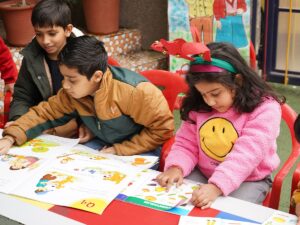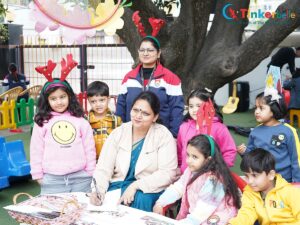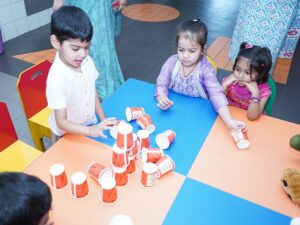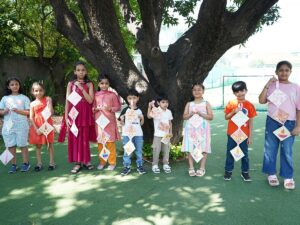

Early childhood is a crucial stage in a child’s life. It is a period filled with curiosity, exploration, and rapid development. The experiences children have during these formative years can shape their social, emotional, cognitive, and physical development. This is why early childhood education plays a vital role in preparing children for future success, not just academically, but in life skills and interpersonal abilities as well.
In cities like Panchkula, parents are increasingly recognizing the importance of providing their children with the right start in life. Choosing the best pre school in Panchkula can make a significant difference in laying strong foundations for a child’s growth. Among the top choices is Tinkerbelle, which has become synonymous with nurturing, safe, and holistic early learning environments.
Understanding Early Childhood Education
Early childhood education (ECE) refers to structured programs and approaches aimed at children aged 0-8 years. It is more than just “baby-sitting” or keeping children occupied while parents work. Quality early education fosters cognitive development, emotional intelligence, social skills, and creativity.
Research shows that children who attend structured early learning programs tend to perform better in school, adapt more easily to new environments, and develop stronger communication skills. By engaging children in meaningful play, interactive learning, and age-appropriate educational activities, ECE centers lay the groundwork for lifelong learning.
The Role of Preschools
Preschools are the first formal educational environment outside the home. They provide children with opportunities to learn, socialize, and explore in a safe and structured setting. The benefits of preschool education include:
- Cognitive Development: Preschool programs focus on early literacy, numeracy, and problem-solving skills. Activities such as storytelling, puzzles, and basic math games enhance brain development.
- Social Skills: Interacting with peers teaches children sharing, cooperation, and empathy. They learn how to navigate relationships, resolve conflicts, and communicate effectively.
- Emotional Growth: Children are encouraged to express feelings, build confidence, and develop self-regulation. Emotional intelligence cultivated early contributes to resilience later in life.
- Physical Development: Activities such as drawing, building blocks, and outdoor play improve fine and gross motor skills, coordination, and overall health.
- Creativity and Imagination: Early education nurtures creativity through art, music, drama, and imaginative play, which are crucial for problem-solving and innovative thinking.
Why Early Childhood Education Matters
The first few years of a child’s life are critical for brain development. According to research, 90% of brain development occurs before age five. This makes early learning environments like preschools pivotal. Children exposed to stimulating, educational, and nurturing environments develop better neural connections, which enhance learning abilities, memory, and emotional well-being.
Children who miss out on early educational opportunities may face challenges later in life. Early interventions can help address developmental delays, provide guidance on social behaviors, and prepare children for formal schooling.
Academic Readiness
One of the most visible benefits of early childhood education is academic preparedness. Children exposed to early literacy and numeracy activities have a smoother transition to primary school. They can recognize letters, count numbers, follow instructions, and approach learning with curiosity and confidence.
At institutions like Tinkerbelle, the best pre school in Panchkula, children are introduced to foundational concepts through fun, engaging methods. The curriculum is designed to stimulate curiosity, encourage exploration, and foster a love for learning.
Social and Emotional Development
Early childhood education is not just about academics; it’s equally about developing social and emotional competencies. Preschools provide opportunities for children to interact with peers and teachers in a structured environment. They learn essential skills like patience, cooperation, negotiation, and empathy.
Children who develop strong social skills early are better equipped to form relationships, manage stress, and navigate challenges. Emotional intelligence gained during preschool years can lead to improved mental health and academic success in later years.
Building a Lifelong Love for Learning
One of the most significant advantages of early education is cultivating a lifelong love for learning. Play-based learning, project-based activities, and hands-on experiences make learning enjoyable. Children at preschool engage in activities that spark curiosity, encourage exploration, and promote critical thinking.
For example, Tinkerbelle emphasizes a curriculum that blends structured learning with creative play. This approach ensures that children enjoy learning while developing essential cognitive and social skills, laying the foundation for future academic success.
How to Choose the Best Preschool
Selecting the right preschool is a critical decision that can shape a child’s educational journey. Parents should consider several factors when evaluating early childhood education centers:
- Curriculum: A well-rounded curriculum that balances academics, arts, physical activity, and social-emotional learning is essential.
- Teaching Approach: Look for schools that use play-based, experiential, and child-centered learning methods.
- Teacher Qualifications: Experienced, trained, and passionate teachers make a significant difference in a child’s learning experience.
- Safety and Environment: A safe, clean, and stimulating environment encourages exploration and learning.
- Parent Engagement: Schools that involve parents in the learning process create stronger bonds and better outcomes for children.
In Panchkula, Tinkerbelle stands out as a leading choice for early childhood education. It is recognized as the best pre school in Panchkula due to its holistic approach, qualified staff, and focus on nurturing each child’s unique potential.
Holistic Development in Early Childhood
Holistic development refers to the growth of all aspects of a child’s personality, including cognitive, emotional, social, and physical domains. The best early education programs focus on this comprehensive growth.
- Cognitive Growth: Activities like storytelling, puzzles, and science experiments stimulate brain development and encourage critical thinking.
- Physical Growth: Outdoor play, dance, and sports improve motor skills, coordination, and overall fitness.
- Social Skills: Interaction with peers and group activities foster cooperation, empathy, and communication skills.
- Emotional Intelligence: Children learn to identify and manage their emotions, which is crucial for resilience and mental health.
- Creative Skills: Art, music, and imaginative play enhance creativity, innovation, and problem-solving abilities.
Tinkerbelle, the best pre school in Panchkula, ensures that every child experiences holistic development through a carefully crafted curriculum that addresses all these domains.
Play-Based Learning: The Heart of Early Education
Play is the language of childhood. Through play, children explore the world, develop cognitive skills, and learn social norms. Play-based learning allows children to engage in meaningful, hands-on experiences that promote curiosity and understanding.
Benefits of Play-Based Learning:
- Enhances Creativity: Children invent games, solve problems, and use imagination during play.
- Promotes Social Skills: Collaborative play teaches sharing, empathy, and teamwork.
- Supports Cognitive Growth: Problem-solving, memory, and language skills develop naturally through play.
- Improves Physical Development: Activities like building blocks, running, and dancing improve motor skills.
At Tinkerbelle, play-based learning is central to the curriculum. Children learn through interactive activities that combine fun with education, ensuring a joyful and effective learning experience.
Parental Involvement in Early Childhood Education
While preschools play a critical role, parental involvement is equally important. Children thrive when parents are engaged in their education, support learning at home, and reinforce positive behaviors.
Tips for parental involvement include:
- Regular Communication: Stay in touch with teachers to track progress and address concerns.
- Home Learning: Encourage reading, storytelling, and problem-solving activities at home.
- Encourage Curiosity: Support children’s interests and exploration outside the classroom.
- Positive Reinforcement: Celebrate achievements and provide gentle guidance for challenges.
Schools like Tinkerbelle actively involve parents in the learning journey. Regular updates, parent-teacher meetings, and interactive workshops ensure that children receive consistent support both at school and at home.
Preparing for the Future
Early childhood education lays the foundation for lifelong learning and success. Children who attend quality preschool programs tend to:
- Adjust more easily to primary school.
- Exhibit higher academic performance.
- Develop better social and emotional skills.
- Show greater creativity and critical thinking abilities.
- Build a strong sense of confidence and independence.
By choosing the best pre school in Panchkula, parents give their children the tools they need to succeed not just academically but socially and emotionally as well. Tinkerbelle exemplifies this commitment, offering a nurturing environment that prepares children for a bright and successful future.
The Role of Teachers in Early Childhood Education
Teachers are at the heart of early childhood education. Their role extends beyond imparting knowledge; they guide, support, and inspire children.
- Facilitators of Learning: Teachers create an environment that encourages exploration, experimentation, and discovery.
- Mentors and Role Models: Teachers model positive behaviors, empathy, and problem-solving skills.
- Observers and Guides: By observing children, teachers identify strengths, areas for improvement, and developmental needs.
At Tinkerbelle, teachers are trained to understand child development, tailor activities to individual needs, and foster a love for learning. Their dedication ensures that children grow holistically in a safe, stimulating environment.
Conclusion
Early childhood education is an investment in the future. It provides children with the skills, knowledge, and confidence they need to navigate life successfully. In Panchkula, parents seeking quality education for their young children can rely on institutions like Tinkerbelle, renowned as the best pre school in Panchkula.
By prioritizing holistic development, play-based learning, and parental involvement, early childhood education ensures that children not only succeed academically but also grow into well-rounded, confident, and capable individuals. The early years are formative, and the right preschool can make all the difference in building strong foundations for a lifetime of learning and achievement.