Early childhood education is one of the most important stages in a child’s life. During the first few years, children develop the cognitive, emotional, social, and language skills that shape their future learning journey. Parents today are more aware than ever about choosing the right preschool environment that nurtures their child’s unique potential. One of the most significant factors that makes a play school truly effective is personalized attention in small classrooms.
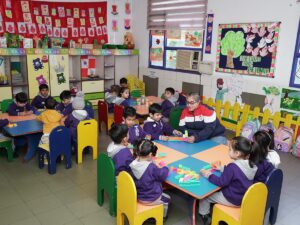
At a Best Play School in Panchkula, small class sizes allow teachers to focus on each child individually, ensuring they receive the guidance, encouragement, and care they need to grow confidently. When children are not lost in a crowd, they feel valued, heard, and motivated to explore the world around them.
In this blog, we will explore how small classrooms create a big impact on a child’s development and why personalized attention is the key to effective early learning.
Understanding Personalized Attention in Early Education
Personalized attention means adapting teaching methods, activities, and interactions to meet the individual needs of each child. Every child learns differently—some are visual learners, some learn through movement, and others through listening or storytelling.
In smaller classrooms, teachers can observe each child closely and understand their learning style, interests, strengths, and areas that require support. This allows educators to tailor lessons and activities that make learning more engaging and effective.
When a child receives individualized guidance, they are more likely to understand concepts better, participate actively, and develop a strong foundation for future education.
Why Small Classrooms Matter in Play Schools
Many parents focus on infrastructure, facilities, and curriculum while selecting a preschool. While these factors are important, class size is equally crucial.
In a small classroom environment:
- Teachers spend more time with each child
- Children feel comfortable expressing themselves
- Learning becomes interactive and engaging
- Emotional and social development improves
Studies show that smaller class sizes help teachers understand each student better and provide more individualized instruction, which leads to improved learning outcomes.
This is why the Best Play School in Panchkula focuses on maintaining an ideal teacher-to-child ratio to ensure every child gets the attention they deserve.
1. Stronger Teacher–Child Relationships
One of the most powerful benefits of small classrooms is the ability to build meaningful relationships between teachers and children.
When teachers interact with fewer students, they can:
- Learn each child’s personality and interests
- Understand emotional needs
- Provide comfort and reassurance
- Encourage curiosity and exploration
These strong bonds create a safe and nurturing environment, which is essential for early childhood learning.
Children who feel emotionally secure are more confident in asking questions, trying new activities, and interacting with peers.
2. Better Understanding of Each Child’s Learning Style
Every child learns at their own pace and in their own way.
Some children enjoy storytelling and imaginative play.
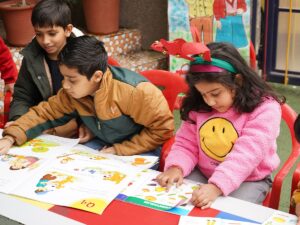
Others love hands-on activities like puzzles, building blocks, or art.
In a small classroom, teachers can:
- Identify a child’s strengths and challenges.
- Adapt teaching methods accordingly
- Provide personalized learning experiences
This individualized approach ensures that no child is left behind, and every child receives the right support at the right time
At the Best Play School in Panchkula, teachers observe and guide children closely, helping them discover their natural talents and interests.
3. Increased Participation and Confidence
In large classrooms, some children may hesitate to speak or participate. They may feel shy or overshadowed by others.
However, small classrooms create a comfortable environment where children feel encouraged to:
- Share ideas
- Ask questions
- Participate in group activities
- Express creativity
When children actively engage in learning, they develop confidence and communication skills.
Research suggests that students in smaller classes are more likely to participate in discussions and classroom activities, leading to better engagement and understanding.
This early confidence plays a major role in shaping a child’s personality and academic journey.
4. Improved Focus and Reduced Distractions
Young children have short attention spans, and distractions can easily interrupt their learning
Small classrooms help reduce distractions and create a focused learning environment.
Teachers can:
- Monitor each child’s attention level
- Address distractions quickly
- Provide one-on-one guidance
This results in better concentration and deeper understanding of activities.
When children are able to focus, they retain information more effectively and develop stronger learning habits.
5. Faster Identification of Learning Needs
Every child develops at a different pace.
Some may quickly grasp language skills, while others may take more time. Similarly, some children may need additional support in motor skills, social interaction, or emotional development.
In smaller classrooms, teachers can:
- Observe developmental milestones closely
- Identify challenges early
- Provide targeted support
This early intervention ensures that children receive the help they need before difficulties grow larger.
Personalized guidance also helps children feel supported rather than pressured.
6. Better Emotional and Social Development
Play schools are not only about academic learning—they are also about social and emotional growth.
In smaller groups, children have more opportunities to:
- Build friendships
- Practice sharing and teamwork
- Develop empathy
- Learn conflict resolution
A nurturing classroom environment allows children to feel included and valued.
Smaller classrooms foster a sense of belonging and community, which helps children develop positive relationships with teachers and peers.
These early social experiences shape how children interact with others throughout their lives.
7. Enhanced Classroom Management
Managing a classroom full of energetic young children can be challenging.
However, smaller class sizes make it easier for teachers to maintain a structured and positive environment.
Teachers can:
- Address behavioral issues quickly
- Maintain a calm and organized classroom
- Focus more on teaching rather than discipline
With fewer disruptions, learning becomes more productive and enjoyable.
Smaller classes also allow teachers to spend more time on creative activities, storytelling, and interactive learning.
8. Personalized Feedback and Encouragement
Young children thrive on appreciation and encouragement.
In small classrooms, teachers can provide:
- Immediate feedback
- Personalized praise
- Individual guidance
Celebrating small achievements boosts a child’s confidence and motivates them to keep learning.
When children feel recognized and appreciated, they develop a positive attitude toward education.
9. More Opportunities for Hands-On Learning
Play-based learning is one of the most effective methods in early childhood education.
Small classrooms allow teachers to organize engaging activities such as:
- Art and craft
- Music and dance
- Sensory play
- Storytelling sessions
- Science exploration
- Outdoor play
With fewer children, teachers can guide each child through activities and ensure they fully participate.
Hands-on learning helps children develop creativity, problem-solving skills, and curiosity.
10. Building a Love for Learning
Perhaps the biggest impact of personalized attention is that it helps children develop a lifelong love for learning.
When children feel supported, encouraged, and understood, they associate learning with joy rather than pressure.
A nurturing environment encourages children to:
- Explore new ideas
- Ask questions freely
- Experiment and learn from mistakes
This curiosity becomes the foundation for academic success in later years.
Why Parents Prefer the Best Play School in Panchkula
Parents today want more than just a daycare environment—they want a preschool that focuses on holistic development
The Best Play School in Panchkula focuses on:
- Small class sizes
- Personalized attention
- Play-based learning
- Experienced and caring teachers
- Safe and stimulating environment
- Balanced development of cognitive, emotional, and social skills
Such an environment ensures that every child receives the support and encouragement they need during their formative years.
The Role of Teachers in Personalized Learning
Teachers play a central role in delivering personalized attention.
At a quality play school, educators:
- Observe children carefully
- Adapt activities to individual needs
- Encourage creativity and curiosity
- Provide emotional support
- Communicate regularly with parents
This collaborative approach ensures that parents and teachers work together to support the child’s development.
Preparing Children for Future Success
Early childhood education sets the stage for a child’s future academic and personal growth.
Small classrooms and personalized attention help children develop essential skills such as:
- Communication
- Critical thinking
- Emotional intelligence
- Social interaction
- Creativity
These skills are not only important for school but also for life.
Children who receive individualized attention during their early years often develop stronger confidence, better problem-solving abilities, and a positive attitude toward learning.
Why Tinkerbelle School Focuses on Small Classrooms
At Tinkerbelle School Panchkula, the philosophy is simple: every child deserves individual attention
The school believes that when children learn in smaller groups, teachers can nurture their curiosity, creativity, and confidence more effectively.
By maintaining small class sizes, Tinkerbelle ensures that:
- Every child feels seen and valued
- Teachers can guide each child personally
- Learning becomes joyful and engaging
- Emotional well-being is prioritized
This approach helps create a strong educational foundation for young learners.
Conclusion
In early childhood education, quality matters more than quantity. While large classrooms may seem efficient, they often limit the level of attention each child receives.
Small classrooms, on the other hand, create an environment where personalized attention can truly flourish. Children receive individualized guidance, develop confidence, and build meaningful relationships with teachers and peers.
This is why choosing the Best Play School in Panchkulais about more than just facilities—it’s about selecting a school that values every child as a unique individual.
At Tinkerbelle School Panchkula, small classrooms create a big impact by nurturing each child’s potential, encouraging curiosity, and building a strong foundation for lifelong learning.