The transition from preschool to primary school is one of the most important stages in a child’s educational journey. It marks the beginning of structured learning, academic growth, and the development of social and emotional skills that shape a child’s future. For parents, ensuring that their child moves smoothly from early learning environments into a formal school system is a major priority.
At Tinkerbelle Preschool, this transition is carefully designed to support children at every step. As a trusted Primary School in Panchkula, the institution focuses on building strong academic foundations while nurturing confidence, curiosity, and creativity in young learners.
In this blog, we will explore how children can smoothly move from preschool to primary education, why this transition matters, and how choosing the Best Primary School in Panchkula can make a significant difference in a child’s development.
Understanding the Preschool to Primary School Transition
Preschool education focuses mainly on play-based learning, social interaction, creativity, and emotional development. Children learn basic concepts such as colors, shapes, numbers, and letters through engaging activities.
However, when children enter primary school, the learning structure changes. They begin to experience:
- More organized classroom schedules
- Introduction to formal subjects like English, Mathematics, and Environmental Studies
- Increased attention to writing, reading, and comprehension
- Greater independence and responsibility
This shift can feel overwhelming for some children if they are not properly prepared. Therefore, a smooth academic transition is essential to help children adapt confidently.
A well-established Primary School in Panchkula like Tinkerbelle ensures that this change happens gradually and comfortably.
Why a Smooth Academic Transition Matters
The move from preschool to primary education plays a crucial role in shaping a child’s learning attitude. If the transition is smooth and positive, children are more likely to develop a love for learning.
Here are some key reasons why this stage is so important.
1. Builds Confidence in Young Learners
Children entering primary school often experience new environments, teachers, and classmates. A supportive transition helps them feel safe and confident.
Schools recognized as the Best Primary School in Panchkula prioritize emotional support along with academic learning to ensure children adapt comfortably.
2. Strengthens Academic Foundations
Early primary education lays the groundwork for future academic success. Subjects like reading, writing, and basic mathematics become the building blocks of advanced learning.
A strong academic base helps children perform better in later grades.
3. Encourages Social Development
Primary school allows children to interact with larger peer groups. They learn teamwork, communication, and problem-solving skills that are essential for personal growth.
4. Develops Independence
In preschool, children receive a lot of guidance from teachers. In primary school, they begin taking responsibility for their tasks, homework, and classroom activities.
This independence prepares them for future educational challenges.
Signs Your Child is Ready for Primary School
Every child develops at their own pace. However, there are certain indicators that suggest a child is ready to transition into primary education.
Basic Communication Skills
Children should be able to express their thoughts, ask questions, and understand instructions.
Emotional Readiness
A child who can separate from parents comfortably and interact with other children shows emotional readiness for primary school.
Curiosity and Interest in Learning
Children who ask questions, explore their surroundings, and show interest in books or activities are ready to begin formal education.
Basic Academic Awareness
Recognizing letters, numbers, colors, and shapes is often a sign that a child can handle the early stages of primary learning.
At Tinkerbelle, teachers carefully observe and support children to ensure they are fully prepared before entering primary school.
Challenges Children May Face During the Transition
While many children adjust quickly, some may face difficulties during the transition period.
New Environment
Moving from a playful preschool setting to a more structured classroom can feel intimidating.
Increased Academic Expectations
Primary education introduces writing, reading tasks, and classroom assignments that may feel challenging initially.
Longer School Hours
Primary school schedules may be longer than preschool hours, which can require adjustment.
Social Adjustments
Children may need time to build friendships and feel comfortable in larger classroom settings.
The Best Primary School in Panchkula addresses these challenges by creating a supportive and nurturing learning environment.
How Schools Can Ensure a Smooth Transition
A child’s transition from preschool to primary school becomes easier when schools implement thoughtful teaching strategies.
1. Continuity in Learning
Effective schools ensure that preschool concepts connect naturally with primary school lessons.
For example:
- Preschool storytelling can lead to early reading lessons.
- Counting games can evolve into basic mathematics.
2. Child-Centered Teaching Methods
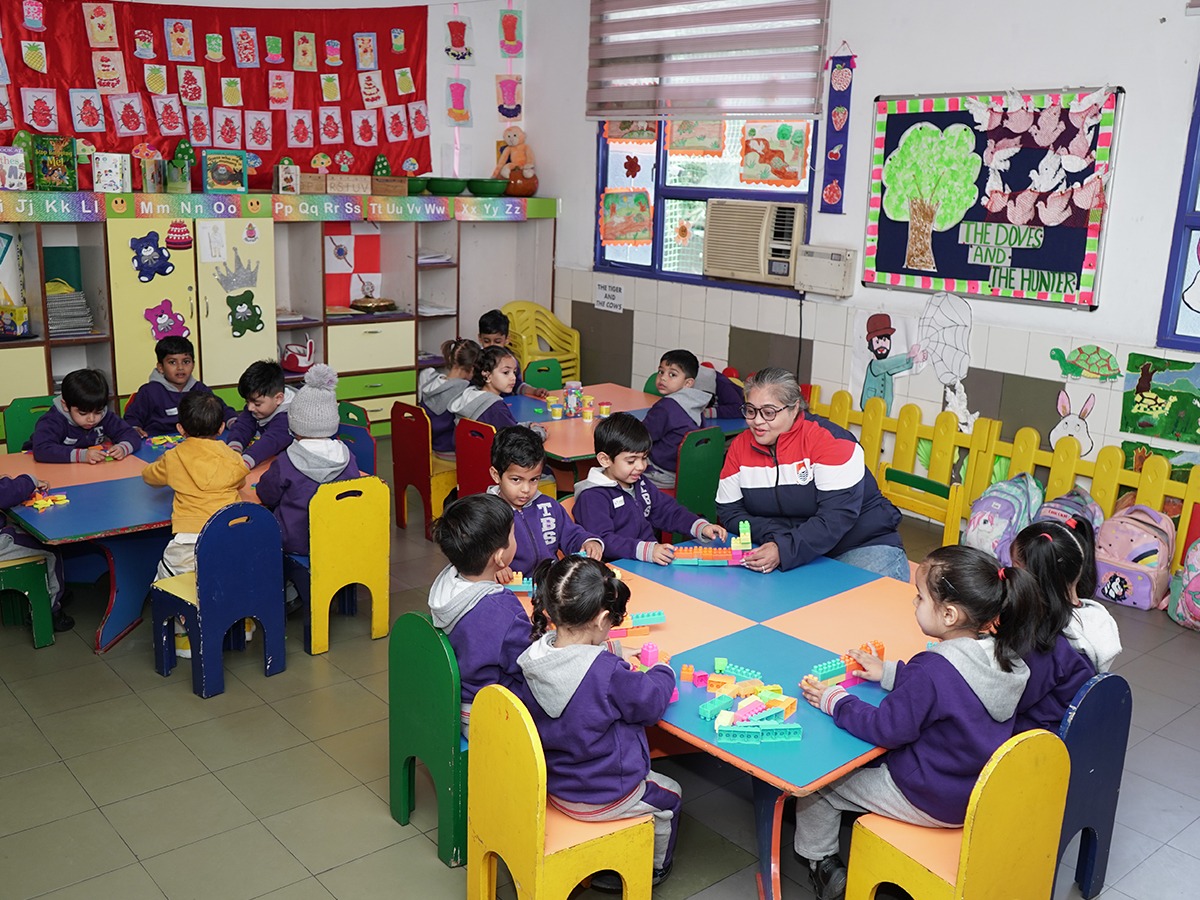
Modern primary education focuses on engaging and interactive teaching methods rather than strict classroom routines.
Activities like:
- Group discussions
- Story-based learning
- Hands-on activities
- Creative projects
help children stay interested and comfortable.
3. Supportive Teachers
Teachers play a major role in helping children adapt to their new learning environment. Friendly, patient, and experienced teachers help students feel secure and motivated.
4. Gradual Increase in Academic Structure
Instead of overwhelming children with heavy coursework, the transition should be gradual. Play-based learning combined with academic activities creates a balanced approach.
The Role of Parents in a Smooth Transition
Parents play a critical role in preparing their children for primary school.
Here are some simple ways parents can help.
Create a Routine
Establishing a daily routine for waking up, meals, homework, and bedtime helps children adapt to school schedules.
Encourage Curiosity
Parents can nurture learning by reading stories, playing educational games, and encouraging children to ask questions.
Promote Independence
Allow children to complete small tasks independently, such as packing their school bag or organizing their books.
Maintain Positive Communication
Talk to children about school in a positive and encouraging way. This builds excitement rather than anxiety.
When parents and schools work together, children experience a smoother and more enjoyable transition.
Teaching Approaches That Support Early Primary Education
The Best Primary School in Panchkula focuses on modern teaching approaches that help children develop academically and personally.
Activity-Based Learning
Hands-on activities make learning fun and memorable. Children understand concepts better when they actively participate.
Play-Based Learning
Even in primary classes, play remains an important part of the learning process. Games and creative activities help reinforce academic concepts.
Technology-Enabled Learning
Many schools introduce smart classrooms and digital learning tools that enhance classroom engagement.
Individual Attention
Each child has unique strengths and learning styles. Teachers provide personalized attention to ensure every student progresses comfortably.
Building Essential Skills in Primary School
Primary education focuses not only on academics but also on developing essential life skills.
Communication Skills
Children learn to express their ideas clearly and confidently.
Problem-Solving Ability
Classroom activities encourage logical thinking and creativity.
Teamwork and Collaboration
Group projects and activities help students work together and respect different perspectives.
Emotional Intelligence
Understanding emotions and developing empathy are key parts of early education.
These skills play a crucial role in shaping well-rounded individuals.
Importance of Choosing the Right Primary School
Selecting the right school is one of the most important decisions parents make for their child.
A quality Primary School in Panchkula should offer:
- Experienced and caring teachers
- Safe and child-friendly infrastructure
- Activity-based learning programs
- Balanced academic and extracurricular opportunities
- A nurturing and inclusive environment
Parents should look for schools that prioritize holistic development rather than focusing only on academic performance.
Why Tinkerbelle is Considered the Best Primary School in Panchkula
Tinkerbelle has built a strong reputation for providing quality early education and preparing children for academic success.
Child-Focused Curriculum
The curriculum is designed to combine play, creativity, and structured learning to help children transition smoothly into primary classes.
Experienced Educators
Teachers at Tinkerbelle understand the emotional and academic needs of young learners.
Safe and Nurturing Environment
The school provides a secure and welcoming environment where children feel comfortable exploring and learning.
Balanced Development
Along with academics, the school encourages participation in art, music, storytelling, and physical activities.
Strong Parent-School Communication
Regular interaction between teachers and parents ensures that children receive the support they need both at home and in school.
Because of these strengths, many parents trust Tinkerbelle as the Best Primary School in Panchkula for their child’s early education journey.
Activities That Help Children Adjust to Primary School
Certain activities can significantly help children adapt to their new learning environment.
Reading Sessions
Storytelling and reading activities improve language skills and build imagination.
Creative Arts
Drawing, painting, and craft activities encourage creativity and self-expression.
Outdoor Play
Physical activities promote health and teamwork while helping children release energy.
Classroom Discussions
Encouraging children to share ideas and opinions boosts confidence and communication skills.
Long-Term Benefits of a Smooth Academic Transition
A positive transition from preschool to primary school creates long-term advantages for children.
Strong Academic Performance
Children who adapt well in early years tend to perform better in higher classes.
Confidence in Learning
Early success builds confidence and motivates students to explore new subjects.
Positive Attitude Towards Education
Children who enjoy school in their early years develop a lifelong love for learning.
Better Social Skills
Strong social interactions during primary education help children build meaningful relationships.
Preparing Children for Future Academic Success
The primary school years form the foundation for a child’s educational future. Schools that focus on holistic development ensure that children are prepared not only for exams but also for life.
By nurturing curiosity, creativity, discipline, and emotional intelligence, the Best Primary School in Panchkula helps students grow into confident and capable individuals.
Conclusion
The transition from preschool to primary school is a major milestone in every child’s life. With the right guidance, supportive teachers, and a nurturing learning environment, children can move confidently into this new stage of education.
Parents should choose a school that understands the importance of balancing academic learning with emotional and social development. Institutions like Tinkerbelle focus on creating a smooth transition by combining engaging teaching methods, personalized attention, and a safe environment for young learners.If you are looking for a trusted Primary School in Panchkula that prioritizes your child’s growth and development, Tinkerbelle stands out as the Best Primary School in Panchkula, ensuring every child begins their educational journey with confidence, curiosity, and joy.